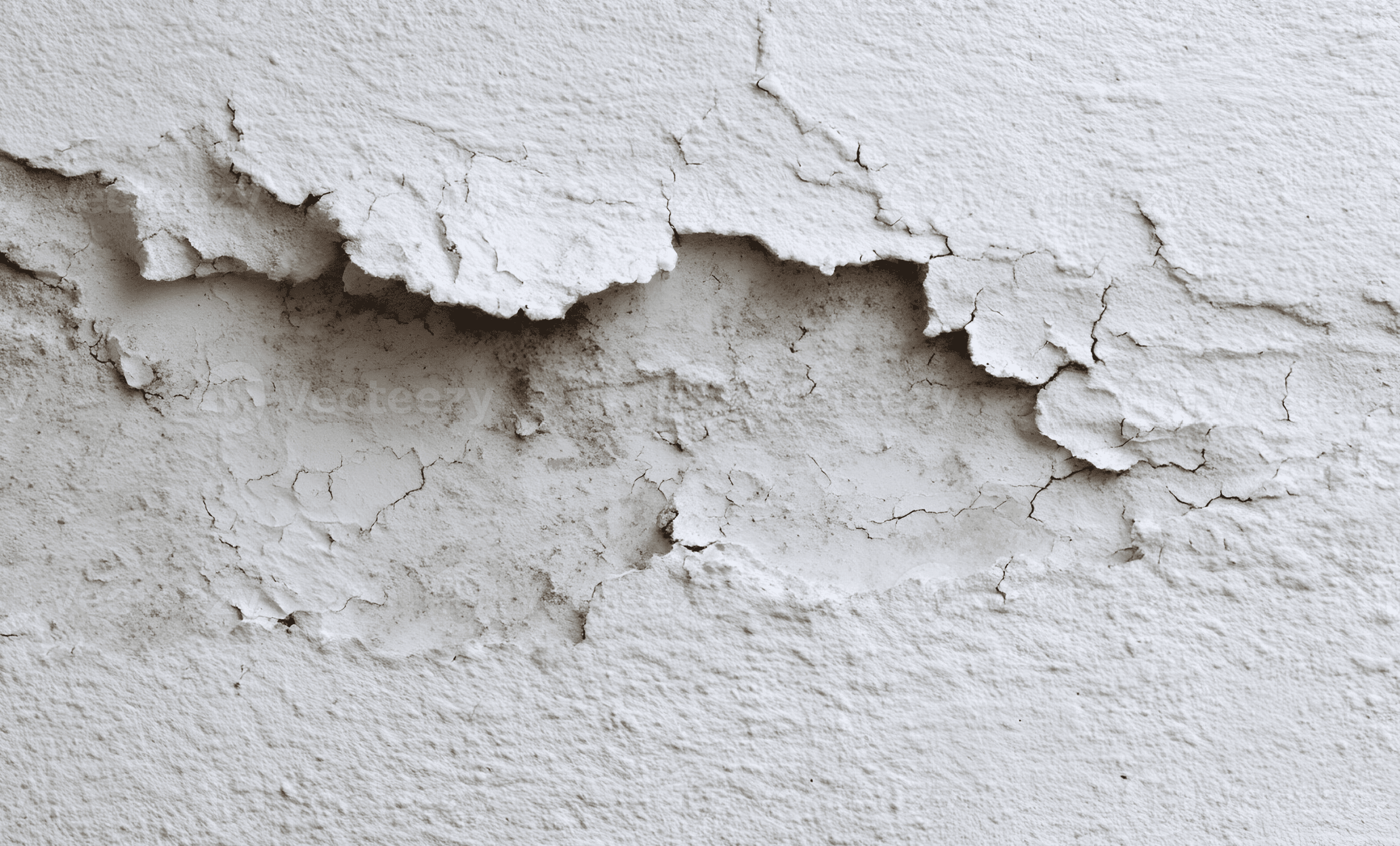
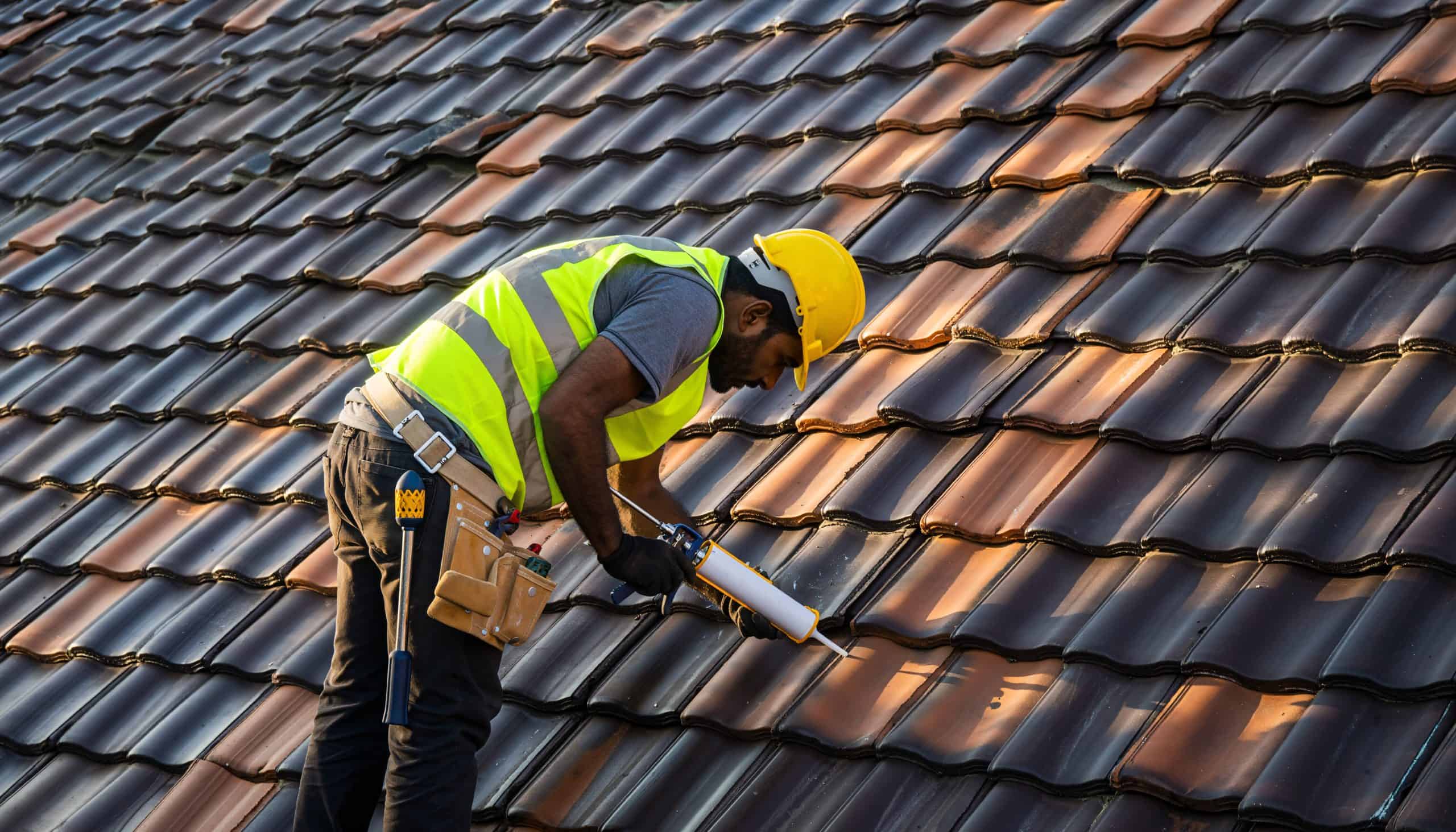
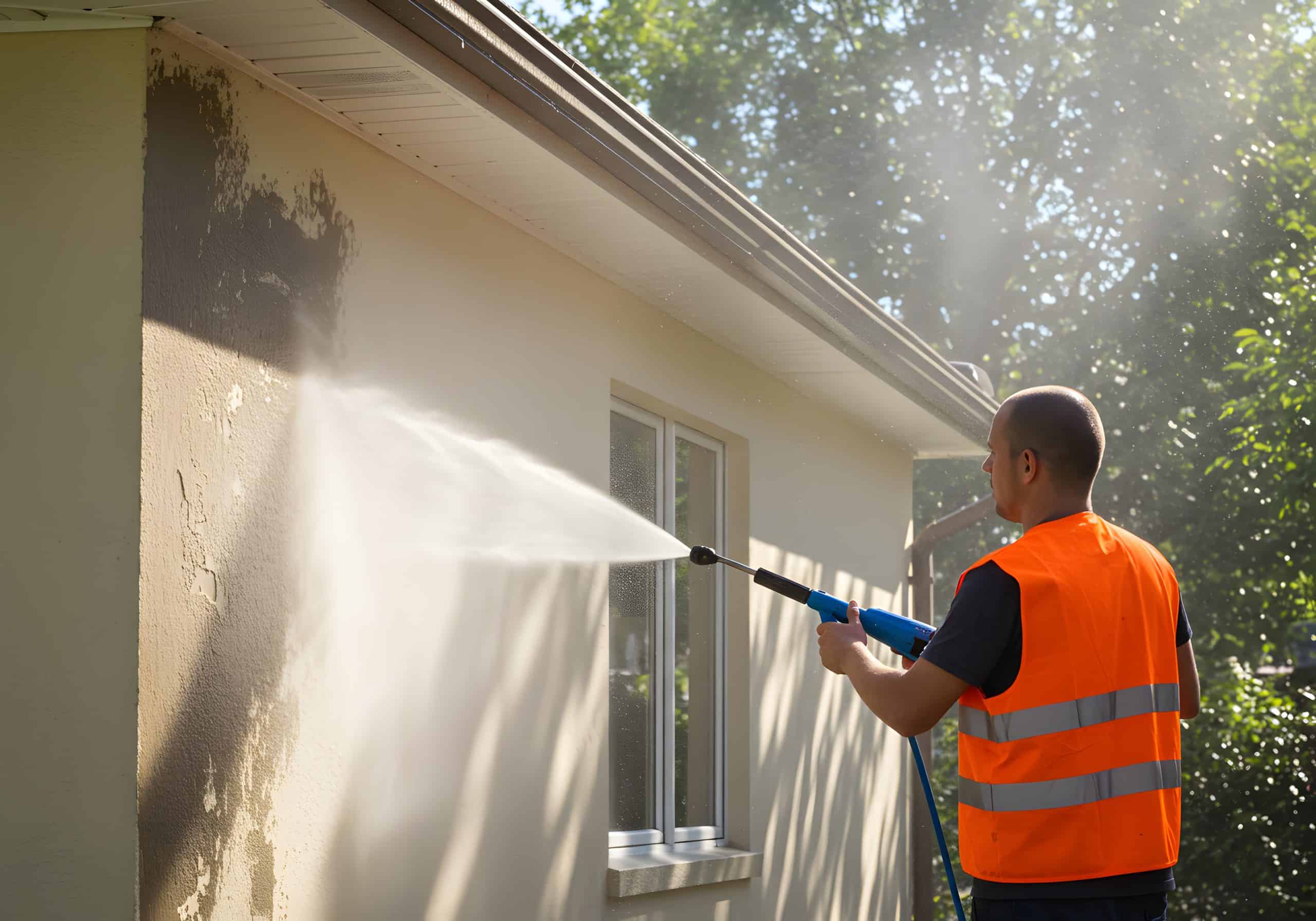
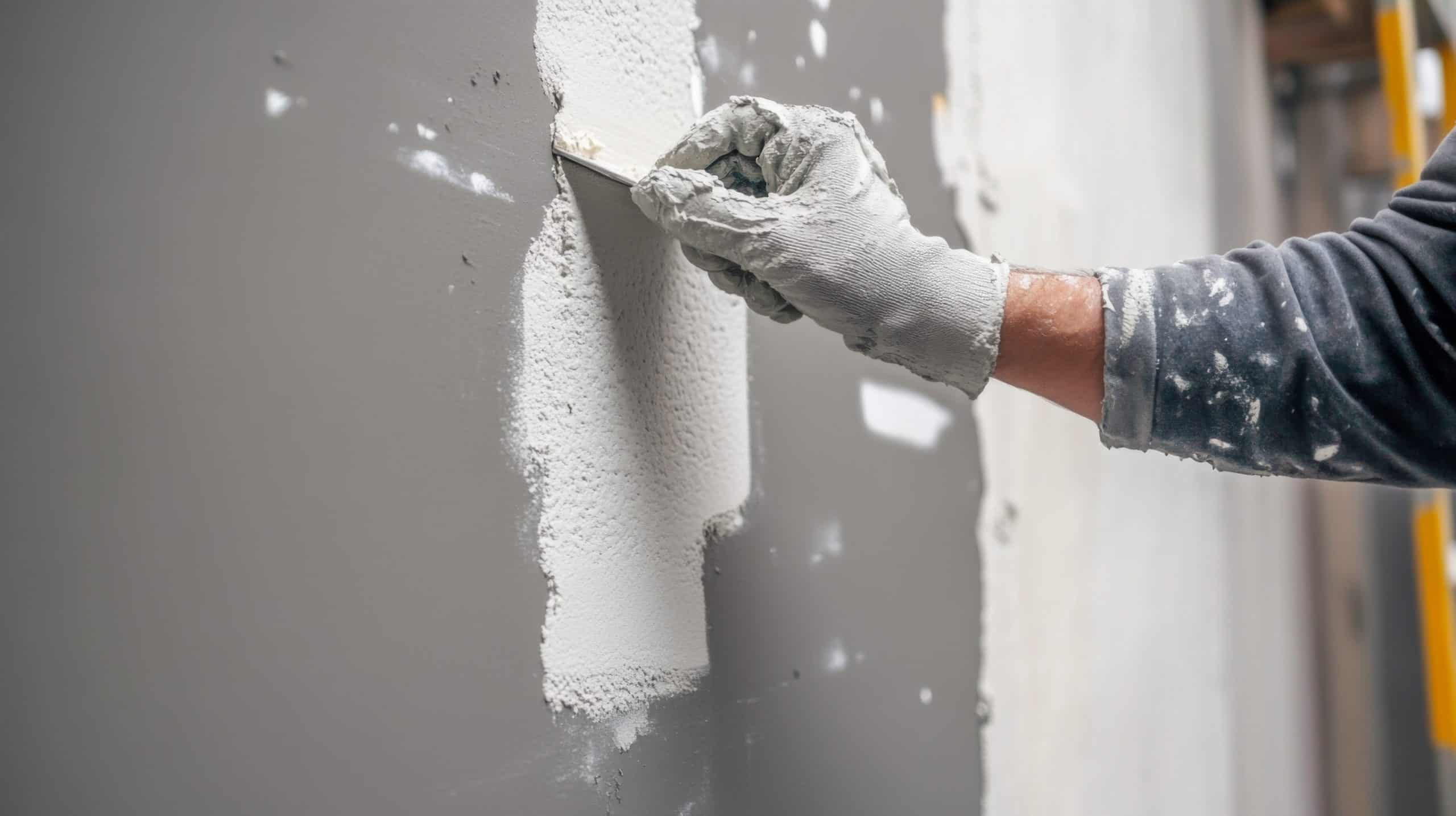
Cape Town home roof and exterior walls being prepared before painting
Uncategorized

Should You Paint Your Roof Before or After Painting Exterior Walls?

Should You Paint Your Roof Before or After Painting Exterior Walls?

If you are planning a full exterior repaint, one of the most important questions is whether to paint the roof before or after the exterior walls. The answer depends on the roof condition, wall condition, access, repairs, roof run-off, damp marks, gutters, parapets, coating systems and the overall scope of work.

In many cases, it makes sense to assess and complete roof-related work before painting the exterior walls. This is because roof cleaning, roof repairs, roof coating, gutter work and roof run-off can affect the walls below. If the walls are painted first and roof water or dirt later runs down them, the new wall finish can be stained or damaged.

For Cape Peninsula properties, this question is especially important. Homes and buildings across Cape Town may be exposed to strong UV, winter rain, salt air, wind, damp, roof run-off, older plaster, parapets, wall tops and previous coating failure. A proper painting plan should consider the whole exterior system, not only one surface at a time.

Protective Coatings Cape Town provides preparation-first painting for suitable homes, apartments, body corporates and commercial properties. Our approach includes surface diagnosis, prescribed remedial actions and supplier-backed specifications where suitable. You can learn more about our wider service coverage on the Cape Peninsula painting service areas page.

The Best Order Is Usually Roof First, Walls Second

For many properties, the best order is to deal with the roof before the exterior walls. This does not always mean the roof must be painted first, but it does mean roof condition, roof cleaning, roof repairs, gutters, flashings, parapets and roof run-off should be assessed before the wall coating begins.

There are several reasons for this:

  • Roof cleaning can dirty walls: Washing or cleaning a roof can send dirty water, moss, dust or old coating residue down the walls.
  • Roof run-off can stain new paint: If gutters, valleys, parapets or roof edges are not handled properly, water can stain newly painted exterior walls.
  • Roof repairs may affect wall areas: Flashing, waterproofing, gutters and parapet work can disturb or mark wall surfaces below.
  • Access equipment may touch walls: Ladders, scaffolding or roof access can affect freshly painted walls if not planned carefully.
  • Roof issues can cause damp marks: Painting walls before addressing roof-related moisture can lead to recurring stains or peeling.

This is why full exterior painting should start with a practical inspection of both the roof and the walls.

When Roof Painting Should Be Done First

Roof painting should usually be done before exterior wall painting when the roof surface is part of the overall coating project and when roof preparation may affect the walls below.

This is especially relevant when the roof has:

  • fading or severe UV damage
  • old coatings that may wash down during cleaning
  • moss, dirt, sand or roof residue
  • cracked tiles or loose roof material
  • rust-prone metal sections
  • poor roof drainage
  • gutters or downpipes staining walls below
  • parapets or roof edges causing damp marks
  • roof run-off staining exterior walls

Where roof painting is suitable, the roof should be cleaned, assessed, repaired where needed, prepared and coated before final exterior wall coats are applied. This reduces the risk of dirty roof water or roof-related repairs damaging a freshly painted wall finish.

You can learn more about roof coating and preparation on our roof painters page.

When Exterior Walls Can Be Painted Without Roof Painting

Not every exterior painting project requires roof painting. If the roof is in good condition, does not need coating, is not causing stains and does not require cleaning or repairs that affect the walls, the exterior walls can often be painted without painting the roof.

However, the roof should still be inspected from a practical point of view. The painter should check whether roof run-off, gutters, downpipes, wall tops, parapets, flashings or roof edges are contributing to damp marks, stains or peeling paint on the walls.

If the roof is not part of the painting scope, the quote should still make clear whether visible roof-related issues may affect the wall coating. This helps prevent misunderstandings if stains or damp marks return after the walls have been painted.

For exterior wall repainting, visit our exterior painters service page.

Why Roof Run-Off Matters Before Exterior Painting

Roof run-off is one of the biggest reasons exterior walls become stained or damp. During winter rain, water may run from the roof onto parapets, gutters, downpipes, wall tops, balcony walls or exterior plaster. If that water movement is not understood, the same staining can return after painting.

Common roof run-off problems include:

  • blocked or overflowing gutters
  • damaged downpipes
  • poor drainage from roof valleys
  • failed flashing
  • parapets holding moisture
  • wall tops without proper protection
  • roof water running directly onto painted walls
  • dirty roof water staining exterior surfaces

Painting over the stain does not always solve the problem. If water continues to run over the same area, the wall can become stained again. In some cases, moisture can also lead to bubbling, peeling or coating breakdown.

Parapets and Wall Tops Should Be Checked Before Painting

Parapets and wall tops are important because they often control how water moves across the building. If a parapet is cracked, poorly sealed, damp or holding water, the wall below may continue to show staining or paint failure.

This is common on older Cape Town buildings, apartment blocks, body corporate properties, coastal homes and commercial buildings. Parapets can be exposed to harsh sunlight, rain, wind and salt air. If they are ignored, the new exterior wall coating may fail early.

Before painting exterior walls, parapets and wall tops should be checked for cracks, moisture, failed coatings, loose paint and water movement. If repairs are needed, they should be addressed before final wall coats are applied.

Roof Painting Should Not Hide Roof Defects

Roof painting can improve the appearance and protection of a suitable roof surface, but it should not be used to hide active leaks, damaged flashing, failed waterproofing or structural roof problems.

A proper roof painting assessment should consider whether the roof is suitable for coating. Some roofs may need repairs before painting. Others may not be suitable for coating until underlying defects are addressed. Painting over serious roof issues can create a short-term visual improvement while the real problem continues underneath.

This is why Protective Coatings Cape Town approaches roof painting as part of a preparation-first process. The roof surface, access, safety, cleaning requirements, repairs, primers and coating system should all be considered before coating is recommended.

How Roof Cleaning Can Affect Exterior Walls

Roof cleaning can release dirt, moss, old residue, chalking, dust, sand, loose material and dirty water. If the exterior walls have already been painted, this residue can mark the new finish.

On tiled roofs, cleaning may expose cracked tiles, loose ridge caps or old coating failure. On metal roofs, cleaning may reveal rust, loose coatings, fixings, fasteners or areas needing primer. On coastal roofs, salt and wind-blown residue may be present.

For this reason, roof cleaning and preparation should usually happen before final exterior wall coats. If the walls are already painted, extra protection and cleaning may be needed to prevent staining.

Access Planning Also Affects the Painting Order

The order of work is not only about coatings. It is also about access. Roof work may require ladders, scaffolding, harness planning, roof ladders, careful movement around gutters, access over paved areas or protection of nearby walls.

If exterior walls are painted first, roof access equipment can mark or damage the new coating. If the roof is completed first, the painter can then focus on wall preparation and final exterior finishes without roof-related work interfering afterwards.

Access planning is especially important for steep properties, coastal homes, apartments, body corporate buildings, older structures and commercial properties where parking, lifts, security, tenants, customers or working hours may affect the project.

Best Painting Order for a Full Exterior Project

The best order depends on the property, but a structured full exterior painting project may follow this kind of sequence:

  • Initial consultation: Discuss the roof, walls, access, exposure, damp marks and project goals.
  • Diagnostic assessment: Identify visible defects on roof surfaces, walls, parapets, gutters, metalwork and previous coatings.
  • Roof-related repairs: Address visible roof, gutter, flashing, parapet or drainage concerns where required.
  • Roof cleaning and preparation: Clean and prepare the roof where roof painting is included and suitable.
  • Roof coating: Apply the selected roof coating system where appropriate.
  • Wall washing and preparation: Clean, scrape, sand, repair cracks, treat stains and prepare wall surfaces.
  • Priming or sealing: Apply primers or sealers where required by the surface condition.
  • Exterior wall painting: Apply the selected exterior coating system.
  • Metalwork and trim painting: Prepare and paint gates, railings, trims, doors or exterior details where included.
  • Final inspection: Check completed areas against the agreed scope.

This order helps reduce the risk of roof-related dirt, water or access problems affecting newly painted exterior walls.

Coastal Homes Need Extra Planning

For coastal homes in Cape Town, the roof-versus-wall question is even more important. Coastal properties may be exposed to salt air, wind-driven rain, strong UV, winter weather, rust-prone metalwork and damp-prone parapets.

Homes in Atlantic Seaboard and False Bay areas often require careful preparation because sea air and wind can affect both the roof and exterior walls. Salt residue can settle on roof surfaces, wall tops, railings, gates, brackets, balconies and exterior plaster.

For coastal painting advice and service areas, visit our Atlantic Seaboard painters and False Bay painters pages.

Apartment Blocks and Body Corporates

For apartment blocks and body corporate buildings, the roof and wall painting order should be planned carefully. These properties may involve shared access, managing agents, trustees, residents, parking limitations, scaffolding, lift access, common areas and safety planning.

If roof work is part of the project, it should usually be planned before final wall finishes. This helps prevent roof cleaning, access equipment or water movement from damaging completed exterior wall coatings.

Body corporate projects also need clear communication. Residents should know when work will happen, which areas are affected, where access will be restricted and how shared areas will be protected.

Commercial Properties and Mixed-Use Buildings

Commercial and mixed-use buildings may include shops, restaurants, offices, guest accommodation, apartments and customer-facing areas. These buildings often need careful sequencing because trading hours, tenants, staff, customers, parking and access can affect the work.

If roof or parapet work is needed, it should be considered before exterior wall painting. Water stains, damp marks and dirty roof run-off can affect the look and durability of the finished walls.

For offices, shops, restaurants and selected commercial properties, see our commercial painters page.

What If You Only Have Budget for One Area?

Sometimes a client only has budget for either roof painting or exterior wall painting, not both. In that case, the decision should be based on condition and urgency.

If the roof is causing active staining, damp, dirty run-off or water-related damage to walls, roof-related work may need attention first. If the roof is stable but the exterior walls are peeling, chalking or failing, wall painting may be the priority.

A proper assessment helps decide what should happen first. It is better to understand the cause of the problem than to spend money on a surface that may fail again because the source was not addressed.

Final Advice: Plan the Roof and Walls Together

The best approach is to think of the roof and exterior walls as connected parts of the same building envelope. The roof affects the walls. Gutters affect walls. Parapets affect walls. Wall tops affect walls. Coastal air affects both roof and wall coatings.

For many Cape Peninsula properties, roof-related issues should be assessed before exterior wall painting starts. If roof painting is suitable and part of the project, it often makes sense to complete the roof before the final wall coats.

To discuss a suitable roof or exterior painting project, call Protective Coatings Cape Town on 082 374 6862.

Helpful Roof Painting Articles

These articles explain roof painting, exterior wall preparation, roof run-off and why painting order matters on Cape Peninsula properties.

FAQs About Painting Roofs and Exterior Walls

Should I paint my roof before painting exterior walls?

In many cases, yes. If the roof needs cleaning, repair or coating, it is often better to complete roof-related work before final exterior wall painting to prevent stains or damage to newly painted walls.

Can roof run-off damage newly painted walls?

Yes. Dirty roof water, blocked gutters, faulty downpipes, parapets and roof-edge issues can stain or damage exterior walls if not addressed before painting.

Does every exterior painting job need roof painting?

No. Roof painting is only needed where the roof condition, access and scope make coating suitable. However, roof condition should still be assessed before exterior walls are painted.

Can roof paint fix leaks?

No. Roof painting should not be used to hide active leaks, failed waterproofing, damaged flashing or structural roof defects. These should be assessed and repaired before coating is recommended.

Why do stains return after exterior wall painting?

Stains can return when the source was not fixed. Common causes include roof run-off, parapets, gutters, wall tops, damp, rust, moisture or failed waterproofing.

Who can assess roof and exterior painting in Cape Town?

Protective Coatings Cape Town can assess suitable roof and exterior painting projects across Cape Peninsula areas and recommend preparation-first painting solutions where suitable.
Read More
Painter preparing a coastal Cape Town exterior wall before painting
Uncategorized

Best Paint Preparation for Coastal Homes in Cape Town

Best Paint Preparation for Coastal Homes in Cape Town

Coastal homes in Cape Town need better paint preparation than ordinary inland properties. A house close to the sea is exposed to salt air, strong wind, UV, winter rain, moisture, roof run-off, balcony staining, rust-prone metalwork and previous coating breakdown. If these conditions are ignored before painting, the final finish may look good at first but fail much earlier than expected.

The best paint preparation for coastal homes starts long before the first coat is applied. The surface must be inspected, cleaned, repaired, stabilised and prepared according to the exposure and condition of the property. This is especially important for homes, apartments, body corporates and commercial buildings in Atlantic Seaboard, False Bay and other Cape Peninsula coastal areas.

Protective Coatings Cape Town provides preparation-first painting for suitable Cape Peninsula properties. Our approach includes visible surface diagnosis, prescribed remedial actions and supplier-backed specifications where suitable. You can learn more about our coastal painting service areas on the Cape Peninsula painting service areas page.

Why Coastal Paint Preparation Is Different

Painting a coastal home is different because the surface is constantly exposed to weather and airborne salt. Salt residue can settle on exterior walls, roof edges, balconies, railings, gates, brackets, wall tops and exposed metalwork. If the salt is not removed properly, it can interfere with paint adhesion and shorten the life of the coating.

Coastal homes may also experience wind-driven rain, damp walls, strong sunlight, chalking, fading and rust. The closer the property is to the sea, the more important preparation becomes. This applies to homes in areas such as Llandudno, Camps Bay, Clifton, Sea Point, Mouille Point, Muizenberg, Fish Hoek, Simon’s Town, Kalk Bay and other coastal parts of Cape Town.

Good preparation helps the coating bond to the surface. Poor preparation can lead to peeling, flaking, bubbling, rust bleed, staining, chalking and early repainting costs.

Step 1: Inspect the Surface Before Quoting

The first step is proper surface inspection. A coastal property should not be quoted only by looking at square metres. The painter should inspect visible defects, exposure, previous coatings, moisture, cracks, wall tops, roof edges, parapets, balconies and metalwork.

Important signs to look for include:

  • Peeling paint: loose coatings may continue failing under a new paint system.
  • Chalking: powdery paint can prevent proper adhesion if not cleaned or stabilised.
  • Damp marks: moisture may return if the cause is not identified.
  • Rust: railings, gates, brackets and fixings need correct preparation before painting.
  • Cracks: cracks may reopen if not repaired correctly.
  • Salt residue: coastal surfaces need proper washing before coating.
  • Roof run-off: water movement from roofs, gutters or parapets can stain walls below.

This is why Protective Coatings Cape Town uses diagnostic reports where suitable. A diagnostic report helps identify visible problems before the painting starts.

Step 2: Wash and Remove Salt Residue

One of the most important coastal preparation steps is washing. Exterior surfaces close to the sea can collect salt, dust, sand, dirt and pollutants. Painting over these contaminants can reduce adhesion.

Proper washing helps remove loose residue before repairs, priming and coating. The exact washing method depends on the surface condition, access and property type. Some walls may need gentle cleaning, while other exterior surfaces may need more thorough washing before painting.

This step is especially important for properties in the Atlantic Seaboard painters hub, where sea-facing apartments, luxury homes and coastal exteriors may be exposed to salt air and strong wind.

It is also important in the False Bay painters hub, where coastal homes, older cottages, roof surfaces, timber and exterior walls may be affected by sea air, damp and winter weather.

Step 3: Remove Loose Paint and Unstable Coatings

New paint should not be applied over loose, flaking or unstable coatings. If the old coating is not properly bonded to the wall, the new paint can fail with it. This is one of the most common reasons people think a new paint has failed, when the real problem was the old surface underneath.

Loose paint should be scraped or removed where required. Edges may need sanding. Powdery areas may need cleaning and stabilising. Areas with previous coating failure may need further assessment before deciding on primers, sealers or topcoats.

On older Cape Town properties, there may be several layers of paint from previous years. If these coatings are brittle, chalky, cracked or poorly bonded, preparation becomes more important than the final colour.

Step 4: Repair Cracks, Wall Tops and Parapets

Coastal homes often have cracks, parapet issues, wall-top defects, balcony staining and roof-edge problems. These areas should be assessed before painting because they can allow moisture into the wall.

Cracks should be repaired according to the type of crack and the surface. A simple hairline crack is not the same as a movement crack. Wall tops and parapets may need particular attention because they are exposed to direct rain, sun and wind.

Painting over cracks without preparation can lead to the same cracks showing again. Painting over damp wall tops can lead to peeling, bubbling or staining. Exterior painting should include proper surface repair before final coats are applied.

For more detail on exterior preparation, visit our exterior painting for coastal homes page.

Step 5: Check Damp Before Painting

Damp is a major cause of paint failure in coastal and winter-rain areas. Damp marks should not simply be painted over. The source should be considered before final coating begins.

Damp may come from roof run-off, parapets, balconies, cracked wall tops, gutters, failed waterproofing, plumbing, condensation, rising damp or moisture trapped in older plaster. If the moisture source remains active, new paint may bubble, peel, stain or lose adhesion.

Some damp problems require remedial work before painting. Other areas may need drying time, sealing or specialised preparation. The correct approach depends on the cause and severity of the moisture issue.

Step 6: Treat Rust-Prone Metalwork Correctly

Coastal metalwork needs careful preparation. Gates, railings, brackets, fixings, balustrades, window burglar bars, steel frames and exposed screws can rust quickly in salty air. Painting over rust without proper preparation can allow corrosion to continue under the coating.

Rust-prone areas may need cleaning, sanding, rust removal, suitable primers and appropriate topcoats. The system should be chosen according to the surface, exposure and expected durability.

This is especially important for sea-facing homes and apartment buildings where railings, balconies and exterior fixings are constantly exposed to coastal air.

Step 7: Choose the Right Primer or Sealer

Primers and sealers are not always optional. Some surfaces need a primer to improve adhesion. Other surfaces may need stabilising or sealing before final coats are applied. The wrong primer, or no primer where one is needed, can lead to early failure.

Coastal homes may need primers or sealers for chalky surfaces, repaired areas, metalwork, stains, older plaster, porous walls or surfaces affected by previous coating failure. Product selection should be based on the surface condition and exposure, not only on the paint colour.

Where suitable, Protective Coatings Cape Town works with supplier-backed specifications for primers, exterior coatings, roof coatings, sealers and topcoats.

Step 8: Select a Coating System for Coastal Exposure

After preparation, the correct coating system must be selected. Coastal exterior paint should be chosen for the surface, exposure and condition of the property. A sheltered wall may not need the same system as a sea-facing elevation, roof edge, boundary wall or parapet.

Coastal coating selection may consider:

  • direct sea air exposure
  • UV exposure
  • wind-driven rain
  • older plaster
  • salt residue
  • wall-top moisture
  • roof run-off
  • rust-prone metalwork
  • previous coating failure
  • maintenance expectations

High-performance exterior coatings, primers and sealers may be suitable depending on the surface. The goal is not simply to apply paint, but to use a system that suits the local environment.

Roof Painting and Coastal Preparation

Roof surfaces are also affected by coastal conditions. Tiled and metal roofs may show fading, moss, dirt, old coatings, cracked tiles, rust, weathering and roof run-off staining walls below. Roof painting may be suitable where the roof condition, access and preparation make coating practical.

Roof painting should not be used to hide active leaks, failed waterproofing, damaged flashing or structural roof defects. These problems should be assessed before coating is recommended.

If the roof is part of a larger painting project, it may be worth planning the roof and exterior walls together. A roof that sheds dirty water onto freshly painted walls can affect the final result. You can view our roof painters page for more information.

Preparation for Apartments and Body Corporate Buildings

Coastal preparation is not only for freestanding houses. Apartments and body corporate buildings also need careful assessment. Sea-facing apartment blocks may include balconies, parapets, common areas, railings, roof edges, exterior walls, lifts, parking limits and managing agent rules.

Painting these buildings may require planning around residents, access times, security, parking, scaffolding, lifts, drying times and shared spaces. Preparation and communication are both important.

For managed buildings, the contractor should understand how to protect common areas, communicate around access and reduce disruption while still preparing surfaces correctly.

Preparation for Coastal Commercial Properties

Coastal commercial properties may include restaurants, guest accommodation, shops, offices, hospitality areas and mixed-use buildings. These surfaces may face both coastal exposure and high daily use.

Commercial painting often needs practical planning around customers, staff, trading hours, tenants, parking, signage, shopfronts, flooring and fixtures. High-traffic interiors may need more durable finishes, while exterior surfaces need preparation suited to the local exposure.

You can view our commercial painters page for more information about painting offices, shops, restaurants and selected commercial spaces.

What Happens If Coastal Preparation Is Skipped?

If coastal preparation is skipped, the paint may fail earlier than expected. This can create repeat costs and frustration for the property owner.

Common problems after poor preparation include:

  • peeling paint
  • bubbling paint
  • rust stains bleeding through
  • damp marks returning
  • cracks reopening
  • paint not bonding properly
  • early fading and chalking
  • flaking on wall tops and parapets
  • staining below roof edges

The repaint may then need more preparation than it would have needed originally. In many cases, proper preparation from the beginning is more cost-effective than repainting failed work later.

Final Advice for Coastal Cape Town Homeowners

The best paint preparation for coastal homes in Cape Town starts with understanding the surface. Salt air, UV, wind, rain, damp, rust, roof run-off and old coatings must be considered before choosing a paint system.

A good coastal paint job should include proper inspection, washing, surface repairs, crack preparation, rust treatment, damp-related assessment, priming or sealing where required and coating selection suited to the property.

If you own a coastal home, apartment, body corporate building or commercial property, do not only ask what paint will be used. Ask how the surface will be prepared before painting starts.

To discuss a suitable coastal painting project, call Protective Coatings Cape Town on 082 374 6862.

FAQs About Paint Preparation for Coastal Homes

Why do coastal homes need special paint preparation?

Coastal homes are exposed to salt air, wind, UV, moisture and rain. These conditions can affect adhesion and coating life if surfaces are not washed, repaired and prepared correctly.

Should salt be washed off before painting?

Yes. Salt residue can interfere with paint adhesion. Exterior coastal walls, roof edges, balconies and metalwork should be properly cleaned before coating.

Can I paint over rust on railings or gates?

No. Rust-prone metalwork should be prepared correctly before painting. This may include cleaning, sanding, rust treatment, priming and suitable topcoats.

Do coastal homes need primer?

Some surfaces need primer or sealer, especially chalky walls, repaired areas, porous plaster, stains, metalwork or surfaces with previous coating failure. The correct product depends on the surface condition.

Should roof problems be fixed before exterior painting?

Yes. If roof run-off, gutters, flashing, parapets or leaks are causing wall staining or damp, these issues should be assessed before exterior painting starts.

Who provides coastal painting preparation in Cape Town?

Protective Coatings Cape Town provides preparation-first painting for suitable coastal homes, apartments, body corporates and commercial properties across Cape Peninsula areas.

Read More
Professional Cape Town painter inspecting a wall before preparing a painting quote
Uncategorized

How to Choose Painters in Cape Town Without Getting Caught by Lead Generation Websites

How to Choose Painters in Cape Town Without Getting Caught by Lead Generation Websites

Choosing painters in Cape Town should be simple, but it is not always easy. When you search online, many websites look like real painting businesses. Some are genuine contractors, but others are lead generation websites designed to collect your enquiry and pass it on to someone else.

This can make it difficult for homeowners, landlords, trustees, managing agents and business owners to know who they are really dealing with. The person who answers the phone may not be the person who quotes. The company name on the website may not be the team that arrives. The contractor who receives the lead may not have full-time painters, proper supervision, insurance, preparation standards or accountability if the job fails.

At Protective Coatings Cape Town, we believe clients should know who they are hiring. We are a real painting contractor with more than two decades of painting experience, full-time employed painters, working foremen, diagnostic reports and supplier-backed specifications where suitable.

What Is a Lead Generation Painting Website?

A lead generation website is a website built mainly to capture enquiries. It may rank in Google for search terms like painters in Cape Town, house painters, roof painters or commercial painters. But the website itself may not be a real painting contractor.

Instead, it may collect your name, phone number and project details, then pass or sell that enquiry to another contractor. Sometimes the client does not know this is happening. The website may use professional wording, local suburb pages, stock photos and strong marketing claims, but the actual painting work is done by someone else.

The problem is not always that the contractor who receives the lead is bad. The problem is uncertainty. You may not know who is responsible for the quote, who checks the surface, who supervises the painters, who handles defects and who is accountable if the paint fails early.

When you are investing in interior painting, exterior painting, roof painting or commercial painting, that uncertainty matters.

Why This Matters for Cape Town Painting Projects

Cape Town painting is not only about applying a fresh colour. Many properties across the Cape Peninsula need proper preparation because surfaces are affected by salt air, strong UV, winter rain, damp marks, roof run-off, older plaster, parapets, balconies, chalking, peeling paint, rust-prone metalwork and previous coating failure.

If the person quoting does not properly assess the surface, the paint job can fail early. A cheap quote may skip washing, scraping, sanding, crack repairs, damp-related assessment, rust preparation, primers, sealers or correct coating selection.

This is especially important for properties linked to the Cape Peninsula painting service areas, including City Bowl buildings, Atlantic Seaboard apartments, False Bay coastal homes and Southern Suburbs properties with older plaster or damp-prone walls.

A real contractor should understand the local conditions and explain how preparation will be handled before painting begins.

How to Check If You Are Dealing With a Real Painting Contractor

Before choosing painters in Cape Town, ask a few practical questions. These questions can help you separate real painting contractors from websites that mainly collect leads.

  • Who will actually do the work? Ask whether the company uses its own painters or passes the job to another contractor.
  • Are the painters full-time employed? Full-time teams usually give better consistency than casual or unknown crews.
  • Is there a foreman on site? Daily supervision helps with preparation, workmanship and communication.
  • Will the surface be inspected before quoting? Painting should be based on the actual condition of the walls, roof or surfaces.
  • Will visible defects be explained? Cracks, damp marks, peeling paint, chalking and rust should not be ignored.
  • Are the coatings suitable for the surface? Interior paint, exterior coatings, roof coatings and metal primers are not interchangeable.
  • Is the company insured? Public liability insurance is important for homes, apartments, body corporates and commercial properties.

These questions are simple, but they reveal a lot about the contractor’s approach.

Look for Preparation, Not Only Price

One of the biggest mistakes property owners make is comparing painting quotes only by price. The cheapest quote may look attractive, but if it excludes proper preparation, it may become the most expensive option later.

Preparation can include washing, scraping loose paint, sanding, crack repairs, stain sealing, rust treatment, damp-related assessment, primer application, masking, protection and surface stabilisation. These steps take time, but they are often the difference between a paint job that lasts and one that fails within months.

For exterior walls, proper preparation is especially important. You can learn more on our exterior painters page.

For roofs, the same principle applies. Roof painting should not be used to hide leaks, failed waterproofing or damaged flashing. The roof condition should be assessed first. See our roof painters page for more information.

Why Diagnostic Reports Help

A diagnostic report helps the client understand what the painter has seen before work begins. It can identify visible defects, surface conditions and prescribed remedial actions. This makes the quote more meaningful because it is not based only on square metres and paint colour.

For example, a diagnostic report may mention peeling paint, chalking, damp marks, cracks, roof run-off staining, rust-prone metalwork, old coatings, salt exposure or preparation requirements. This helps prevent misunderstandings and gives the client a clearer idea of what must be fixed before final coats are applied.

Protective Coatings Cape Town uses diagnostic reports because many painting failures are caused by problems that were visible before painting started. If those problems are ignored, the new coating may fail early.

Be Careful With Big Claims and Thin Local Pages

Some websites create many local pages for every suburb, but the content may be thin, generic or copied. A page may mention a suburb name many times without explaining real local painting conditions.

Good local painting content should explain the actual conditions in the area. For example, Atlantic Seaboard properties may face salt air, wind, UV and balcony moisture. City Bowl buildings may involve apartments, offices, parking restrictions, older plaster and body corporate access. False Bay homes may face coastal damp, wind, timber weathering and metal corrosion. Southern Suburbs properties may involve older walls, shade, damp areas, roof run-off and boundary wall issues.

This is why a real contractor’s website should not only say “we are the best painters”. It should explain how painting is assessed, prepared and completed in the real local environment.

Choosing Painters for Apartments, Body Corporates and Commercial Properties

Painting an apartment, body corporate building or commercial property needs more planning than painting a simple room. The contractor may need to consider lifts, parking, security, managing agents, residents, tenants, trading hours, customers, drying times, access rules and shared areas.

For commercial spaces, the painting team may need to work around staff, customers, shopfronts, restaurants, offices, reception areas, bathrooms, passages and high-traffic walls. You can view our commercial painters page for more detail.

For apartments and interior spaces, protection and neat workmanship are important. Furniture, floors, fittings, glass, aluminium, doors, frames and existing finishes should be protected where required. See our interior painters page for more information.

Why Protective Coatings Cape Town Is Different

Protective Coatings Cape Town is not a lead generation website. We are a real painting contractor serving suitable Cape Peninsula properties. Your enquiry is not simply collected and sold to an unknown contractor.

We have more than two decades of painting experience. Our painters are full-time employed. Every team is accompanied by a working foreman who is present on site daily. Our quotations are supported by diagnostic reports that identify visible surface conditions and prescribed remedial actions where required.

Where suitable, we work with supplier-backed specifications for preparation, primers, exterior coatings, roof coatings, sealers and topcoats. The goal is not just a clean finish. The goal is a paint system better suited to the surface, exposure and property type.

You can read more about the business on our real painting contractor page.

Final Checklist Before Choosing Painters in Cape Town

Before you accept a painting quote, use this checklist:

  • Do I know who the actual contractor is?
  • Do they use full-time painters?
  • Will there be a foreman on site?
  • Did they inspect the surface properly?
  • Did they explain preparation?
  • Did they mention cracks, damp, rust, chalking or peeling paint where visible?
  • Is the coating system suitable for the surface?
  • Are they insured?
  • Do they understand Cape Town’s local weather and exposure conditions?
  • Can they explain what happens before the final coats are applied?

If the answers are unclear, be careful. A real painting contractor should be able to explain the work in practical terms.

Need Real Painters in Cape Town?

If you want to work with real painters in Cape Town, Protective Coatings Cape Town can assess suitable painting projects across the Cape Peninsula.

We assist with preparation-first interior painting, exterior painting, roof painting and commercial painting for suitable homes, apartments, body corporates and commercial properties.

Call Protective Coatings Cape Town on 082 374 6862 to discuss your painting project and arrange an assessment.

FAQs About Choosing Painters in Cape Town

How do I know if a painting website is a real contractor?

Ask who will actually do the work, whether the painters are employed, whether there is a foreman on site and whether the company provides proper surface assessment before quoting.

Are all lead generation painting websites bad?

Not always, but they can create uncertainty. The main issue is that you may not know who is responsible for the quote, workmanship, supervision and after-service.

What should a Cape Town painting quote include?

A good painting quote should consider the surface condition, preparation, access, property type, coating system, repairs, protection and scope of work.

Why is preparation so important?

Preparation helps the new coating bond properly. Without washing, scraping, sanding, repairs, priming or sealing where required, paint can fail early.

Do Protective Coatings Cape Town painters use subcontractors?

No. Protective Coatings Cape Town uses full-time employed painters, never casual subcontracted lead-generation crews.

How do I contact Protective Coatings Cape Town?

You can call Protective Coatings Cape Town on 082 374 6862 to discuss your painting project and arrange an assessment.

Read More
Peeling exterior paint on a Cape Peninsula home caused by coastal weather and poor preparation
Uncategorized

Why Paint Fails Early on Cape Peninsula Homes

Why Paint Fails Early on Cape Peninsula Homes

Paint failure is one of the most frustrating problems for homeowners, landlords, body corporates and commercial property owners. A newly painted wall should not start peeling, bubbling, chalking or fading within a few months. When that happens, the problem is usually not the final coat of paint alone. In many cases, the real problem started before the first coat was applied.

On Cape Peninsula homes, paint has to deal with more than ordinary wear and tear. Properties may be exposed to salt air, strong UV, winter rain, wind, damp walls, older plaster, roof run-off, parapets, balconies, shaded areas, rust-prone metalwork and previous coating failure. If these conditions are not diagnosed properly before painting, even a good-quality paint can fail early.

Protective Coatings Cape Town focuses on preparation-first painting across suitable Cape Peninsula properties. This includes surface inspection, visible defect reporting, prescribed remedial actions and supplier-backed coating specifications where suitable. You can learn more about our approach on the Protective Coatings Cape Town home page.

Paint Usually Fails Because the Surface Was Not Ready

One of the biggest mistakes in house painting is treating paint as the solution to every surface problem. Paint is a coating, not a repair system for every defect. If the surface underneath is damp, chalky, loose, rusty, dirty or unstable, the new paint may not bond properly.

Common surface problems that should be assessed before painting include:

  • Loose or flaking paint: New paint applied over loose paint can peel away with the old layer underneath.
  • Chalking: Powdery exterior walls can prevent proper adhesion if not cleaned or stabilised.
  • Damp marks: Moisture problems can return through new coatings if the source is not understood.
  • Cracks: Hairline cracks and movement cracks can reopen if not repaired correctly.
  • Salt residue: Coastal walls can collect salt that affects adhesion and coating life.
  • Rust: Metalwork can continue corroding under paint if not prepared and primed properly.

This is why proper preparation is more important than simply choosing an expensive paint. A durable finish starts with diagnosing the surface correctly.

Salt Air Can Shorten the Life of Exterior Paint

Many Cape Peninsula properties are close enough to the ocean to experience salt air exposure. This is especially important in areas linked to the Atlantic Seaboard Painters hub and the False Bay Painters hub.

Salt residue can settle on exterior walls, roof edges, balcony walls, gates, railings, brackets and exposed metalwork. If the surface is not washed and prepared correctly, the salt can interfere with adhesion. The result may be peeling, bubbling, staining, rust bleed or premature coating breakdown.

Coastal painting should normally include a proper surface wash, loose-paint removal, crack repairs, rust treatment where needed, priming where required and a coating system suited to the exposure. This is especially important for sea-facing properties, roof edges, parapets, boundary walls and exposed elevations.

Strong UV Causes Fading and Chalking

Cape Town sun can be harsh on exterior paint. Strong UV exposure breaks down coatings over time, especially on walls that face long hours of direct sunlight. This can cause fading, colour loss and chalking.

Chalking is when the paint surface becomes powdery. If you rub your hand across the wall and powder comes off, the surface may need washing, stabilising or priming before repainting. Painting directly over chalking can lead to poor bonding and early failure.

This is one of the reasons exterior painting should not be rushed. Proper preparation gives the new coating a better chance of bonding to the surface and lasting longer. For exterior wall repainting, see our exterior painters service page.

Roof Run-Off and Parapets Can Cause Paint Failure

Many paint failures start above the wall, not on the wall itself. Roof run-off, leaking gutters, cracked parapets, failed waterproofing, blocked drainage and wall tops that hold moisture can all cause staining, bubbling or peeling below.

Painting over these signs without understanding the water movement can lead to early failure. The wall may look good for a short period, but the same stains or peeling can return once rain and moisture affect the area again.

This is common around roof edges, parapets, balcony walls, retaining walls and boundary walls. If the roof surface is part of the problem, it may be worth assessing whether roof maintenance or roof coating is needed before repainting the walls. You can view our roof painters page for more information.

Damp Walls Need Diagnosis Before Painting

Damp is one of the most common reasons paint fails early. Damp can come from many sources, including roof leaks, wall tops, parapets, plumbing, poor drainage, balcony defects, rising damp, condensation or moisture trapped in older plaster.

The wrong approach is to simply paint over damp marks. If the cause is still active, the marks can return. Paint may bubble, peel, stain or lose adhesion. In some cases, the wall may need time to dry, and the source of moisture must be addressed before painting begins.

Older buildings in Cape Town, City Bowl and Southern Suburbs areas may need especially careful surface diagnosis because previous coatings, older plaster and hidden moisture can affect the final result. For broader area coverage, see our Cape Peninsula painting service areas.

Incorrect Paint Systems Can Fail Early

Not every paint is suitable for every surface. Interior wall paint should not be used where an exterior coating is needed. A roof coating should be selected for the correct roof type and condition. Metalwork needs proper rust preparation and suitable primers. Coastal exterior walls may need stronger systems than sheltered inland surfaces.

Paint failure can happen when the product is not matched to the surface, exposure and condition. This is why supplier-backed specifications can be valuable where suitable. The goal is to select the correct preparation steps, primer, sealer and topcoat for the job, rather than choosing paint only by price or colour.

Protective Coatings Cape Town uses diagnostic reports and recommended remedial actions to help clients understand what should happen before final coats are applied.

Poor Preparation Is More Expensive Than Proper Preparation

A cheap painting quote can look attractive at first, but if preparation is skipped, the result may not last. Repainting failed paint is expensive because the surface often needs more work the second time. Loose coatings may need to be removed. Damp issues may need assessment. Rust may need treatment. Chalking may need stabilising. Cracks may need proper repair.

A proper painting project should focus on the full system:

  • surface assessment
  • washing and cleaning
  • scraping loose paint
  • sanding where required
  • crack repairs
  • damp-related assessment
  • rust preparation
  • priming or sealing where needed
  • suitable coating selection
  • careful application

This is the difference between painting for appearance only and painting for durability.

When Should You Call a Professional Painter?

You should call a professional painter when the wall has visible defects, previous paint failure, damp marks, cracks, chalking, rust, peeling paint or coastal exposure. These conditions need more than a quick coat of paint.

Professional assessment is also important for apartments, body corporate buildings, commercial properties, restaurants, offices, roof surfaces, boundary walls and sea-facing homes. These properties often involve access planning, surface protection, safety considerations, timing, residents, tenants or customers.

If you are planning interior, exterior, roof or commercial painting, Protective Coatings Cape Town can assess suitable projects and recommend the correct preparation approach. For commercial properties, visit our commercial painters page.

Final Advice for Cape Peninsula Homeowners

If paint is failing early on your Cape Peninsula property, do not only ask, “What paint was used?” Also ask, “Was the surface ready for paint?” In many cases, the answer is found in the preparation, not the paint brand.

Salt air, UV, winter rain, damp, roof run-off, chalking, rust, old coatings and poor preparation can all shorten the life of a paint job. The best results usually come from proper diagnosis, suitable preparation and coating systems chosen for the surface and exposure.

To discuss a suitable painting project, call Protective Coatings Cape Town on 082 374 6862.

FAQs About Early Paint Failure on Cape Peninsula Homes

Why does exterior paint peel so quickly?

Exterior paint may peel quickly when it is applied over damp, dirty, chalky, loose or unstable surfaces. Salt air, roof run-off, poor preparation and incorrect primers can also cause early failure.

Does coastal air affect house paint?

Yes. Coastal air can leave salt residue on walls, metalwork, roof edges and balconies. If the surface is not washed and prepared correctly, adhesion and coating life can be affected.

Can I paint over chalky walls?

Chalky walls should normally be cleaned and stabilised where required before repainting. Painting directly over powdery surfaces can reduce adhesion.

Why do damp marks come back after painting?

Damp marks can return when the moisture source was not addressed before painting. The cause may be roof run-off, parapets, wall tops, plumbing, condensation, rising damp or failed waterproofing.

Should roof problems be fixed before exterior painting?

Yes, if roof run-off, leaks, gutters, flashing or parapet defects are causing wall staining or damp. Painting walls before fixing water movement can lead to repeat failure.

Who can assess paint failure on Cape Peninsula homes?

Protective Coatings Cape Town can assess suitable painting projects across the Cape Peninsula and provide diagnostic reports with visible surface conditions and prescribed remedial actions where required.

Read More