
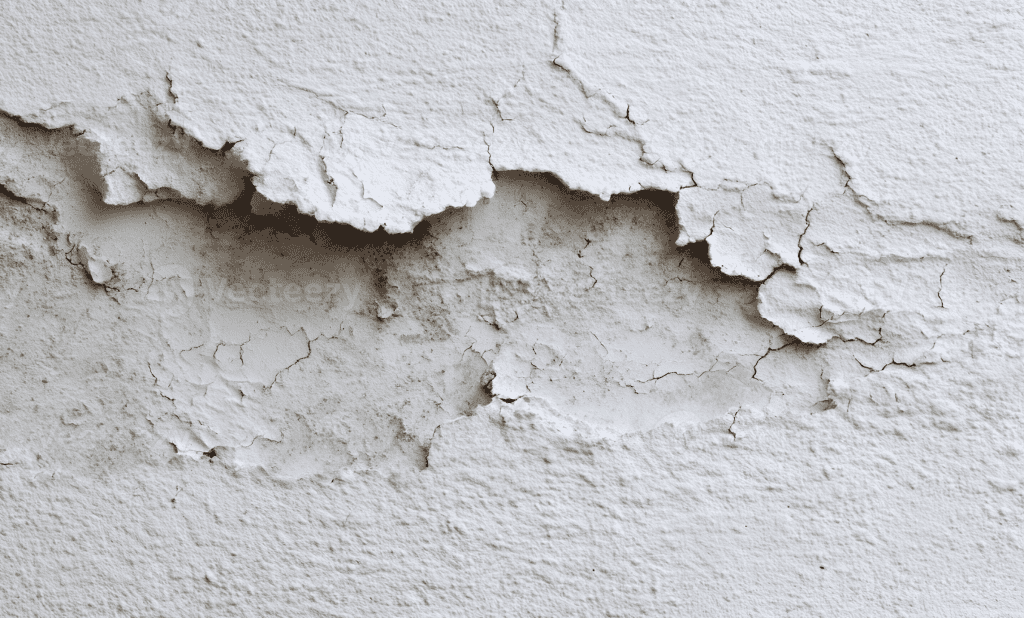
Why Paint Fails Early on Cape Peninsula Homes
Paint failure is one of the most frustrating problems for homeowners, landlords, body corporates and commercial property owners. A newly painted wall should not start peeling, bubbling, chalking or fading within a few months. When that happens, the problem is usually not the final coat of paint alone. In many cases, the real problem started before the first coat was applied.
On Cape Peninsula homes, paint has to deal with more than ordinary wear and tear. Properties may be exposed to salt air, strong UV, winter rain, wind, damp walls, older plaster, roof run-off, parapets, balconies, shaded areas, rust-prone metalwork and previous coating failure. If these conditions are not diagnosed properly before painting, even a good-quality paint can fail early.
Protective Coatings Cape Town focuses on preparation-first painting across suitable Cape Peninsula properties. This includes surface inspection, visible defect reporting, prescribed remedial actions and supplier-backed coating specifications where suitable. You can learn more about our approach on the Protective Coatings Cape Town home page.
Paint Usually Fails Because the Surface Was Not Ready
One of the biggest mistakes in house painting is treating paint as the solution to every surface problem. Paint is a coating, not a repair system for every defect. If the surface underneath is damp, chalky, loose, rusty, dirty or unstable, the new paint may not bond properly.
Common surface problems that should be assessed before painting include:
- Loose or flaking paint: New paint applied over loose paint can peel away with the old layer underneath.
- Chalking: Powdery exterior walls can prevent proper adhesion if not cleaned or stabilised.
- Damp marks: Moisture problems can return through new coatings if the source is not understood.
- Cracks: Hairline cracks and movement cracks can reopen if not repaired correctly.
- Salt residue: Coastal walls can collect salt that affects adhesion and coating life.
- Rust: Metalwork can continue corroding under paint if not prepared and primed properly.
This is why proper preparation is more important than simply choosing an expensive paint. A durable finish starts with diagnosing the surface correctly.
Salt Air Can Shorten the Life of Exterior Paint
Many Cape Peninsula properties are close enough to the ocean to experience salt air exposure. This is especially important in areas linked to the Atlantic Seaboard Painters hub and the False Bay Painters hub.
Salt residue can settle on exterior walls, roof edges, balcony walls, gates, railings, brackets and exposed metalwork. If the surface is not washed and prepared correctly, the salt can interfere with adhesion. The result may be peeling, bubbling, staining, rust bleed or premature coating breakdown.
Coastal painting should normally include a proper surface wash, loose-paint removal, crack repairs, rust treatment where needed, priming where required and a coating system suited to the exposure. This is especially important for sea-facing properties, roof edges, parapets, boundary walls and exposed elevations.
Strong UV Causes Fading and Chalking
Cape Town sun can be harsh on exterior paint. Strong UV exposure breaks down coatings over time, especially on walls that face long hours of direct sunlight. This can cause fading, colour loss and chalking.
Chalking is when the paint surface becomes powdery. If you rub your hand across the wall and powder comes off, the surface may need washing, stabilising or priming before repainting. Painting directly over chalking can lead to poor bonding and early failure.
This is one of the reasons exterior painting should not be rushed. Proper preparation gives the new coating a better chance of bonding to the surface and lasting longer. For exterior wall repainting, see our exterior painters service page.
Roof Run-Off and Parapets Can Cause Paint Failure
Many paint failures start above the wall, not on the wall itself. Roof run-off, leaking gutters, cracked parapets, failed waterproofing, blocked drainage and wall tops that hold moisture can all cause staining, bubbling or peeling below.
Painting over these signs without understanding the water movement can lead to early failure. The wall may look good for a short period, but the same stains or peeling can return once rain and moisture affect the area again.
This is common around roof edges, parapets, balcony walls, retaining walls and boundary walls. If the roof surface is part of the problem, it may be worth assessing whether roof maintenance or roof coating is needed before repainting the walls. You can view our roof painters page for more information.
Damp Walls Need Diagnosis Before Painting
Damp is one of the most common reasons paint fails early. Damp can come from many sources, including roof leaks, wall tops, parapets, plumbing, poor drainage, balcony defects, rising damp, condensation or moisture trapped in older plaster.
The wrong approach is to simply paint over damp marks. If the cause is still active, the marks can return. Paint may bubble, peel, stain or lose adhesion. In some cases, the wall may need time to dry, and the source of moisture must be addressed before painting begins.
Older buildings in Cape Town, City Bowl and Southern Suburbs areas may need especially careful surface diagnosis because previous coatings, older plaster and hidden moisture can affect the final result. For broader area coverage, see our Cape Peninsula painting service areas.
Incorrect Paint Systems Can Fail Early
Not every paint is suitable for every surface. Interior wall paint should not be used where an exterior coating is needed. A roof coating should be selected for the correct roof type and condition. Metalwork needs proper rust preparation and suitable primers. Coastal exterior walls may need stronger systems than sheltered inland surfaces.
Paint failure can happen when the product is not matched to the surface, exposure and condition. This is why supplier-backed specifications can be valuable where suitable. The goal is to select the correct preparation steps, primer, sealer and topcoat for the job, rather than choosing paint only by price or colour.
Protective Coatings Cape Town uses diagnostic reports and recommended remedial actions to help clients understand what should happen before final coats are applied.
Poor Preparation Is More Expensive Than Proper Preparation
A cheap painting quote can look attractive at first, but if preparation is skipped, the result may not last. Repainting failed paint is expensive because the surface often needs more work the second time. Loose coatings may need to be removed. Damp issues may need assessment. Rust may need treatment. Chalking may need stabilising. Cracks may need proper repair.
A proper painting project should focus on the full system:
- surface assessment
- washing and cleaning
- scraping loose paint
- sanding where required
- crack repairs
- damp-related assessment
- rust preparation
- priming or sealing where needed
- suitable coating selection
- careful application
This is the difference between painting for appearance only and painting for durability.
When Should You Call a Professional Painter?
You should call a professional painter when the wall has visible defects, previous paint failure, damp marks, cracks, chalking, rust, peeling paint or coastal exposure. These conditions need more than a quick coat of paint.
Professional assessment is also important for apartments, body corporate buildings, commercial properties, restaurants, offices, roof surfaces, boundary walls and sea-facing homes. These properties often involve access planning, surface protection, safety considerations, timing, residents, tenants or customers.
If you are planning interior, exterior, roof or commercial painting, Protective Coatings Cape Town can assess suitable projects and recommend the correct preparation approach. For commercial properties, visit our commercial painters page.
Final Advice for Cape Peninsula Homeowners
If paint is failing early on your Cape Peninsula property, do not only ask, “What paint was used?” Also ask, “Was the surface ready for paint?” In many cases, the answer is found in the preparation, not the paint brand.
Salt air, UV, winter rain, damp, roof run-off, chalking, rust, old coatings and poor preparation can all shorten the life of a paint job. The best results usually come from proper diagnosis, suitable preparation and coating systems chosen for the surface and exposure.
To discuss a suitable painting project, call Protective Coatings Cape Town on 082 374 6862.
FAQs About Early Paint Failure on Cape Peninsula Homes
Why does exterior paint peel so quickly?
Exterior paint may peel quickly when it is applied over damp, dirty, chalky, loose or unstable surfaces. Salt air, roof run-off, poor preparation and incorrect primers can also cause early failure.
Does coastal air affect house paint?
Yes. Coastal air can leave salt residue on walls, metalwork, roof edges and balconies. If the surface is not washed and prepared correctly, adhesion and coating life can be affected.
Can I paint over chalky walls?
Chalky walls should normally be cleaned and stabilised where required before repainting. Painting directly over powdery surfaces can reduce adhesion.
Why do damp marks come back after painting?
Damp marks can return when the moisture source was not addressed before painting. The cause may be roof run-off, parapets, wall tops, plumbing, condensation, rising damp or failed waterproofing.
Should roof problems be fixed before exterior painting?
Yes, if roof run-off, leaks, gutters, flashing or parapet defects are causing wall staining or damp. Painting walls before fixing water movement can lead to repeat failure.
Who can assess paint failure on Cape Peninsula homes?
Protective Coatings Cape Town can assess suitable painting projects across the Cape Peninsula and provide diagnostic reports with visible surface conditions and prescribed remedial actions where required.