
Best Paint Preparation for Coastal Homes in Cape Town
Coastal homes in Cape Town need better paint preparation than ordinary inland properties. A house close to the sea is exposed to salt air, strong wind, UV, winter rain, moisture, roof run-off, balcony staining, rust-prone metalwork and previous coating breakdown. If these conditions are ignored before painting, the final finish may look good at first but fail much earlier than expected.
The best paint preparation for coastal homes starts long before the first coat is applied. The surface must be inspected, cleaned, repaired, stabilised and prepared according to the exposure and condition of the property. This is especially important for homes, apartments, body corporates and commercial buildings in Atlantic Seaboard, False Bay and other Cape Peninsula coastal areas.
Protective Coatings Cape Town provides preparation-first painting for suitable Cape Peninsula properties. Our approach includes visible surface diagnosis, prescribed remedial actions and supplier-backed specifications where suitable. You can learn more about our coastal painting service areas on the Cape Peninsula painting service areas page.
Why Coastal Paint Preparation Is Different
Painting a coastal home is different because the surface is constantly exposed to weather and airborne salt. Salt residue can settle on exterior walls, roof edges, balconies, railings, gates, brackets, wall tops and exposed metalwork. If the salt is not removed properly, it can interfere with paint adhesion and shorten the life of the coating.
Coastal homes may also experience wind-driven rain, damp walls, strong sunlight, chalking, fading and rust. The closer the property is to the sea, the more important preparation becomes. This applies to homes in areas such as Llandudno, Camps Bay, Clifton, Sea Point, Mouille Point, Muizenberg, Fish Hoek, Simon’s Town, Kalk Bay and other coastal parts of Cape Town.
Good preparation helps the coating bond to the surface. Poor preparation can lead to peeling, flaking, bubbling, rust bleed, staining, chalking and early repainting costs.
Step 1: Inspect the Surface Before Quoting
The first step is proper surface inspection. A coastal property should not be quoted only by looking at square metres. The painter should inspect visible defects, exposure, previous coatings, moisture, cracks, wall tops, roof edges, parapets, balconies and metalwork.
Important signs to look for include:
- Peeling paint: loose coatings may continue failing under a new paint system.
- Chalking: powdery paint can prevent proper adhesion if not cleaned or stabilised.
- Damp marks: moisture may return if the cause is not identified.
- Rust: railings, gates, brackets and fixings need correct preparation before painting.
- Cracks: cracks may reopen if not repaired correctly.
- Salt residue: coastal surfaces need proper washing before coating.
- Roof run-off: water movement from roofs, gutters or parapets can stain walls below.
This is why Protective Coatings Cape Town uses diagnostic reports where suitable. A diagnostic report helps identify visible problems before the painting starts.
Step 2: Wash and Remove Salt Residue
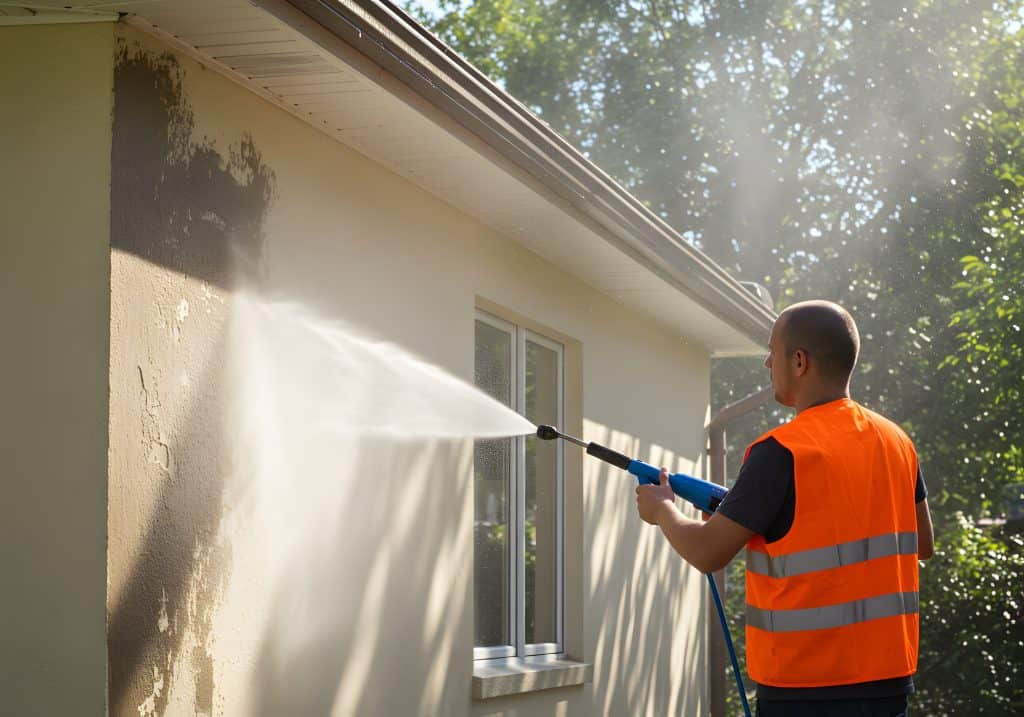
One of the most important coastal preparation steps is washing. Exterior surfaces close to the sea can collect salt, dust, sand, dirt and pollutants. Painting over these contaminants can reduce adhesion.
Proper washing helps remove loose residue before repairs, priming and coating. The exact washing method depends on the surface condition, access and property type. Some walls may need gentle cleaning, while other exterior surfaces may need more thorough washing before painting.
This step is especially important for properties in the Atlantic Seaboard painters hub, where sea-facing apartments, luxury homes and coastal exteriors may be exposed to salt air and strong wind.
It is also important in the False Bay painters hub, where coastal homes, older cottages, roof surfaces, timber and exterior walls may be affected by sea air, damp and winter weather.
Step 3: Remove Loose Paint and Unstable Coatings
New paint should not be applied over loose, flaking or unstable coatings. If the old coating is not properly bonded to the wall, the new paint can fail with it. This is one of the most common reasons people think a new paint has failed, when the real problem was the old surface underneath.
Loose paint should be scraped or removed where required. Edges may need sanding. Powdery areas may need cleaning and stabilising. Areas with previous coating failure may need further assessment before deciding on primers, sealers or topcoats.
On older Cape Town properties, there may be several layers of paint from previous years. If these coatings are brittle, chalky, cracked or poorly bonded, preparation becomes more important than the final colour.
Step 4: Repair Cracks, Wall Tops and Parapets
Coastal homes often have cracks, parapet issues, wall-top defects, balcony staining and roof-edge problems. These areas should be assessed before painting because they can allow moisture into the wall.
Cracks should be repaired according to the type of crack and the surface. A simple hairline crack is not the same as a movement crack. Wall tops and parapets may need particular attention because they are exposed to direct rain, sun and wind.
Painting over cracks without preparation can lead to the same cracks showing again. Painting over damp wall tops can lead to peeling, bubbling or staining. Exterior painting should include proper surface repair before final coats are applied.
For more detail on exterior preparation, visit our exterior painting for coastal homes page.
Step 5: Check Damp Before Painting
Damp is a major cause of paint failure in coastal and winter-rain areas. Damp marks should not simply be painted over. The source should be considered before final coating begins.
Damp may come from roof run-off, parapets, balconies, cracked wall tops, gutters, failed waterproofing, plumbing, condensation, rising damp or moisture trapped in older plaster. If the moisture source remains active, new paint may bubble, peel, stain or lose adhesion.
Some damp problems require remedial work before painting. Other areas may need drying time, sealing or specialised preparation. The correct approach depends on the cause and severity of the moisture issue.
Step 6: Treat Rust-Prone Metalwork Correctly
Coastal metalwork needs careful preparation. Gates, railings, brackets, fixings, balustrades, window burglar bars, steel frames and exposed screws can rust quickly in salty air. Painting over rust without proper preparation can allow corrosion to continue under the coating.
Rust-prone areas may need cleaning, sanding, rust removal, suitable primers and appropriate topcoats. The system should be chosen according to the surface, exposure and expected durability.
This is especially important for sea-facing homes and apartment buildings where railings, balconies and exterior fixings are constantly exposed to coastal air.
Step 7: Choose the Right Primer or Sealer
Primers and sealers are not always optional. Some surfaces need a primer to improve adhesion. Other surfaces may need stabilising or sealing before final coats are applied. The wrong primer, or no primer where one is needed, can lead to early failure.
Coastal homes may need primers or sealers for chalky surfaces, repaired areas, metalwork, stains, older plaster, porous walls or surfaces affected by previous coating failure. Product selection should be based on the surface condition and exposure, not only on the paint colour.
Where suitable, Protective Coatings Cape Town works with supplier-backed specifications for primers, exterior coatings, roof coatings, sealers and topcoats.
Step 8: Select a Coating System for Coastal Exposure
After preparation, the correct coating system must be selected. Coastal exterior paint should be chosen for the surface, exposure and condition of the property. A sheltered wall may not need the same system as a sea-facing elevation, roof edge, boundary wall or parapet.
Coastal coating selection may consider:
- direct sea air exposure
- UV exposure
- wind-driven rain
- older plaster
- salt residue
- wall-top moisture
- roof run-off
- rust-prone metalwork
- previous coating failure
- maintenance expectations
High-performance exterior coatings, primers and sealers may be suitable depending on the surface. The goal is not simply to apply paint, but to use a system that suits the local environment.
Roof Painting and Coastal Preparation
Roof surfaces are also affected by coastal conditions. Tiled and metal roofs may show fading, moss, dirt, old coatings, cracked tiles, rust, weathering and roof run-off staining walls below. Roof painting may be suitable where the roof condition, access and preparation make coating practical.
Roof painting should not be used to hide active leaks, failed waterproofing, damaged flashing or structural roof defects. These problems should be assessed before coating is recommended.
If the roof is part of a larger painting project, it may be worth planning the roof and exterior walls together. A roof that sheds dirty water onto freshly painted walls can affect the final result. You can view our roof painters page for more information.
Preparation for Apartments and Body Corporate Buildings
Coastal preparation is not only for freestanding houses. Apartments and body corporate buildings also need careful assessment. Sea-facing apartment blocks may include balconies, parapets, common areas, railings, roof edges, exterior walls, lifts, parking limits and managing agent rules.
Painting these buildings may require planning around residents, access times, security, parking, scaffolding, lifts, drying times and shared spaces. Preparation and communication are both important.
For managed buildings, the contractor should understand how to protect common areas, communicate around access and reduce disruption while still preparing surfaces correctly.
Preparation for Coastal Commercial Properties
Coastal commercial properties may include restaurants, guest accommodation, shops, offices, hospitality areas and mixed-use buildings. These surfaces may face both coastal exposure and high daily use.
Commercial painting often needs practical planning around customers, staff, trading hours, tenants, parking, signage, shopfronts, flooring and fixtures. High-traffic interiors may need more durable finishes, while exterior surfaces need preparation suited to the local exposure.
You can view our commercial painters page for more information about painting offices, shops, restaurants and selected commercial spaces.
What Happens If Coastal Preparation Is Skipped?
If coastal preparation is skipped, the paint may fail earlier than expected. This can create repeat costs and frustration for the property owner.
Common problems after poor preparation include:
- peeling paint
- bubbling paint
- rust stains bleeding through
- damp marks returning
- cracks reopening
- paint not bonding properly
- early fading and chalking
- flaking on wall tops and parapets
- staining below roof edges
The repaint may then need more preparation than it would have needed originally. In many cases, proper preparation from the beginning is more cost-effective than repainting failed work later.
Final Advice for Coastal Cape Town Homeowners
The best paint preparation for coastal homes in Cape Town starts with understanding the surface. Salt air, UV, wind, rain, damp, rust, roof run-off and old coatings must be considered before choosing a paint system.
A good coastal paint job should include proper inspection, washing, surface repairs, crack preparation, rust treatment, damp-related assessment, priming or sealing where required and coating selection suited to the property.
If you own a coastal home, apartment, body corporate building or commercial property, do not only ask what paint will be used. Ask how the surface will be prepared before painting starts.
To discuss a suitable coastal painting project, call Protective Coatings Cape Town on 082 374 6862.
FAQs About Paint Preparation for Coastal Homes
Why do coastal homes need special paint preparation?
Coastal homes are exposed to salt air, wind, UV, moisture and rain. These conditions can affect adhesion and coating life if surfaces are not washed, repaired and prepared correctly.
Should salt be washed off before painting?
Yes. Salt residue can interfere with paint adhesion. Exterior coastal walls, roof edges, balconies and metalwork should be properly cleaned before coating.
Can I paint over rust on railings or gates?
No. Rust-prone metalwork should be prepared correctly before painting. This may include cleaning, sanding, rust treatment, priming and suitable topcoats.
Do coastal homes need primer?
Some surfaces need primer or sealer, especially chalky walls, repaired areas, porous plaster, stains, metalwork or surfaces with previous coating failure. The correct product depends on the surface condition.
Should roof problems be fixed before exterior painting?
Yes. If roof run-off, gutters, flashing, parapets or leaks are causing wall staining or damp, these issues should be assessed before exterior painting starts.
Who provides coastal painting preparation in Cape Town?
Protective Coatings Cape Town provides preparation-first painting for suitable coastal homes, apartments, body corporates and commercial properties across Cape Peninsula areas.