
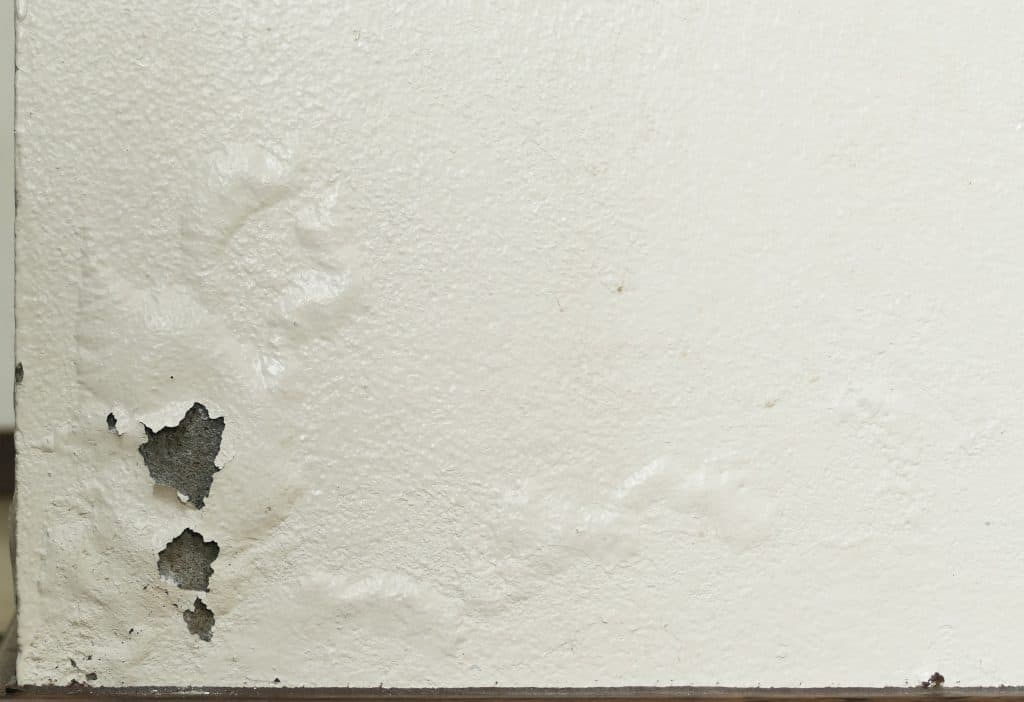
What Is Damp Proofing and Do You Need It Before Painting?
Damp proofing is often described as though it were one product that can be painted onto any wet wall. In reality, damp proofing is a broad group of measures used to control or prevent unwanted moisture moving through walls, floors and other parts of a building.
The correct response depends on the source of the moisture. Rising damp, penetrating rain, leaking plumbing, condensation, roof defects and moisture behind a retaining wall do not all require the same treatment.
This distinction is especially important in Hermanus, where wet Cape winters, coastal wind, salt-laden air, sloping sites, garden irrigation, retaining walls and exposed building elevations can all contribute to damp-related paint failure.
Direct answer: Damp proofing means identifying and controlling the movement of moisture through a building. You may need damp proofing or related repairs before painting when walls show recurring bubbling, peeling, salts, mould, staining or soft plaster. Paint should only be applied after the moisture source has been diagnosed, repaired or managed, and the substrate has dried sufficiently.
Protective Coatings Cape Town follows a preparation-first approach to suitable damp-related painting projects. Our Painters Hermanus service assists with suitable interior and exterior repainting projects where damp, peeling paint, salts, mould or recurring coating failure must be assessed before painting begins.
What Is Damp Proofing?
Damp proofing refers to measures intended to reduce, control or prevent moisture from entering or moving through a building to the point where it damages plaster, paint, flooring or interior conditions.
Depending on the problem, damp proofing may involve:
- Correcting external drainage
- Reducing soil moisture against walls
- Repairing a damaged or bridged damp-proof course
- Repairing cracks and defective wall junctions
- Correcting roof, gutter or parapet defects
- Repairing plumbing leaks
- Improving ventilation and extraction
- Removing contaminated or hollow plaster
- Using a substrate-specific damp-related primer or coating system
- Applying waterproofing where direct water entry must be resisted
The most important part of damp proofing is therefore not selecting a product. It is correctly identifying the source and path of the moisture.
Damp Proofing, Waterproofing and Painting Are Different
| Process | Primary purpose | What it does not automatically do |
|---|---|---|
| Damp proofing | Controls moisture movement and damp-related conditions in walls, floors and building components | Does not mean one coating will solve every moisture source |
| Waterproofing | Resists direct water entry or water pressure in areas such as roofs, balconies, parapets and retaining walls | Does not replace structural repairs, drainage or correct detailing |
| Painting | Protects and decorates a sound, prepared substrate | Does not repair active damp, plumbing leaks or roof leaks |
A suitable coating can form part of a damp-proofing or waterproofing specification, but paint should not be expected to correct a defective roof, leaking pipe, failed membrane, poor drainage or continuous moisture pressure from soil.
Why Damp Problems Are Common in Hermanus
Hermanus properties can be exposed to several moisture conditions at the same time.
Wet Cape Winters
Extended periods of rain allow masonry, parapets, boundary walls and shaded elevations to absorb moisture. Walls may also take longer to dry during cool winter conditions.
Coastal Wind and Driving Rain
Wind-driven rain can enter small cracks, window surrounds, parapet junctions and deteriorated exterior finishes that might remain dry during calm rainfall.
Sloping Sites and Retaining Walls
Many Hermanus homes are built on sloping ground and rely on retaining walls. Moist soil behind these walls can create sustained lateral pressure and carry salts through the masonry.
Garden Irrigation
Irrigation systems, planted beds and soil built up against walls can keep masonry wet even during dry weather. A wall may therefore continue failing after repainting because the moisture source is unrelated to rain.
Closed Holiday Homes
Homes that remain closed for long periods can develop high indoor humidity and limited airflow. Cold walls and ceilings may then become vulnerable to condensation and mould.
Older Masonry and Multiple Paint Layers
Older buildings may contain historic plaster repairs, bridged damp-proof courses, ageing sealants and several layers of paint. Failure in an older layer can affect every newer coating above it.
The Main Types of Damp
Rising Damp
Rising damp occurs when moisture from the ground moves upward through porous masonry by capillary action. It is generally associated with a missing, defective or bridged damp-proof course.
Possible signs include low-level damp patches, salts, bubbling paint, soft plaster and a visible tide mark. However, these symptoms are not exclusive to rising damp.
Penetrating Damp
Penetrating damp enters horizontally through external walls, cracks, window surrounds, parapets, defective sealants or failed exterior finishes. It can appear at any height and often worsens after rain.
Lateral Damp
Lateral damp moves sideways into a wall, often where a retaining wall or boundary wall has soil, paving or a garden bed against the opposite side.
Condensation
Condensation forms when warm, humid indoor air meets a colder wall or ceiling. It commonly affects bathrooms, kitchens, bedrooms with poor airflow and holiday homes that remain closed.
Roof-Related Moisture
Water entering through tiles, roof sheets, flashings, valleys, parapets, gutters or waterproofing can travel before appearing as damp on upper walls or ceilings.
Plumbing Leaks
Leaking pipes, geysers, waste fittings and fixtures usually create more localised damp. The condition may change when water is used rather than when it rains.
Trapped Moisture
Moisture can become trapped behind coatings that are poorly matched to the wall and its drying requirements. A less permeable film may increase blistering where moisture continues entering from behind.
How the Position of Damp Helps With Diagnosis
| Damp pattern | Possible source | What should be inspected |
|---|---|---|
| Damp at the base of a wall | Rising damp, high soil level, irrigation, poor drainage, splashback or plumbing | Ground levels, damp-proof course, drainage, pipes and garden conditions |
| Damp below windows | Failed sealants, cracked sills, window junctions or wind-driven rain | Window perimeter, sill falls, cracks and exterior wall condition |
| Damp near ceilings | Roof leak, gutter overflow, parapet failure or upper plumbing | Roof covering, valleys, gutters, flashings and pipework |
| Damp that worsens after rain | Penetrating damp or roof-related entry | Exposed walls, cracks, parapets, windows and roof junctions |
| Damp behind furniture | Condensation, restricted airflow or a cold external wall | Ventilation, humidity, furniture placement and hidden external defects |
| Boundary-wall bubbling | Irrigation, soil moisture, poor wall capping or drainage | Both wall faces where accessible, garden levels, capping and drainage |
| White salts on a retaining wall | Moisture carrying mineral salts through masonry | Soil-facing side, waterproofing, drainage and wall integrity |
| Bathroom mould | Condensation and inadequate extraction | Extraction, ventilation, hidden leaks and cold surfaces |
| One isolated wet patch | Pipe, fitting, geyser or localised exterior defect | Plumbing use, pipe routes and nearby building junctions |
The position of the damage is useful, but it should not be treated as proof of one specific cause. Several moisture sources can create similar paint defects.
Signs That Damp Is Damaging the Paint System
- Paint bubbles or blisters
- Coatings peel in sheets or flakes
- White powdery salts appear beneath the paint
- Plaster becomes soft, hollow or crumbly
- Brown or yellow stains develop
- Mould appears repeatedly
- A musty smell remains in the room
- Paint fails in the same position after previous repainting
- Cracks remain damp after surrounding walls have dried
- Skirting boards or adjacent finishes begin deteriorating
One symptom alone does not always prove active damp. For example, dry chalking paint can also peel or produce powder. The wall should be assessed as a complete substrate rather than diagnosed from one visible defect.
What Is Efflorescence?
Efflorescence is the white powdery or crystalline residue found on damp-affected masonry. Moisture dissolves naturally occurring mineral salts inside brick, plaster or concrete and transports them towards the surface.
When the water evaporates, the salts remain behind.
Efflorescence is important because it indicates that moisture has moved through the wall. If the salts are simply painted over, they can interfere with adhesion and continue disrupting the coating as further moisture arrives.
The visible residue should therefore be removed as part of preparation, but removing the powder alone does not correct the moisture source.
Can Damp-Proof Paint Solve the Problem?
Sometimes a specialised coating forms part of the correct solution. It should not, however, be presented as a universal cure.
Damp-related paint cannot repair:
- A broken roof tile
- A failed parapet membrane
- A leaking pipe
- A defective flashing
- A blocked gutter
- Poor drainage
- Continuous irrigation against a wall
- Soil moisture behind a retaining wall
- A missing or bridged damp-proof course
Where moisture remains active, an impermeable coating may trap it behind the paint film and cause blistering, salt pressure or failure in an adjacent area.
Our Damp Proofing Cape Town service focuses on identifying the source and preparing suitable surfaces rather than relying on one product for every condition.
Why Damp Returns After Repainting
Damp normally returns after repainting because the visible damage was repaired while the moisture source or unstable substrate remained.
Common reasons include:
- The source of water was never identified
- The leak or drainage defect was not repaired
- The wall was painted while still damp
- Efflorescence was painted over
- Hollow plaster was filled rather than removed
- Mould was covered rather than treated
- The wrong primer was used
- Historic coating layers remained unstable
- A less permeable coating trapped moisture
- Garden irrigation continued wetting the wall
- Parapet and gutter defects were ignored
- The accessible wall face was painted while moisture continued entering from behind
Boundary and Retaining Walls Require Realistic Expectations
Boundary and retaining walls are among the most difficult surfaces to keep painted because water often reaches them from the opposite side.
Where soil, paving or a garden bed is built against the wall, moisture may remain in direct contact with the masonry. Irrigation and poor drainage increase that exposure.
A suitable response may include:
- Reducing irrigation against the wall
- Improving drainage
- Repairing wall cappings
- Repairing accessible cracks
- Removing salts and loose coatings
- Removing hollow plaster
- Using a suitable coating specification
- Waterproofing the soil-facing side where practical and accessible
Where the rear face cannot be accessed, coating the visible side may help manage the symptoms but may not permanently stop moisture pressure. This limitation should be stated clearly before work begins.
Is Low-Level Damp Always Rising Damp?
No. Low-level paint failure can also be caused by:
- Garden soil built above the damp-proof course
- Irrigation overspray
- Poor surface-water drainage
- A leaking pipe
- Rain splashback
- Water entering through cracked exterior plaster
- Moisture from an adjoining bathroom
- Retaining-wall conditions
Rising damp should not be diagnosed solely because paint is peeling near the floor. Building history, wall construction, moisture patterns, ground levels, salts and other possible sources should be considered.
Where a chemical injection or replacement damp-proof course is proposed, it should be based on a suitable assessment rather than treated as the automatic answer to every low-level damp patch.
How Penetrating Damp Enters Hermanus Homes
Penetrating damp frequently appears after rain and can affect any height of a building.
Common entry points include:
- Hairline and wider plaster cracks
- Failed window and door sealants
- Poorly sloped window sills
- Cracked parapet tops
- Roof-to-wall junctions
- Gaps around pipes and fixtures
- Failed external render
- Degraded exterior paint
- Balcony and terrace junctions
Wind-driven rain can force water through small defects that are difficult to identify during dry weather. Inspection after rain may provide useful evidence.
Condensation Is Not the Same as Rising or Penetrating Damp
Condensation originates mainly from moisture inside the building rather than water entering through the wall.
Bathrooms, kitchens, laundries and closed bedrooms produce or retain humid air. When that air reaches a cold wall or ceiling, moisture condenses on the surface.
Typical signs include:
- Black or grey mould spots
- Mould behind furniture or curtains
- Moisture on windows
- Peeling ceiling paint in bathrooms
- A musty smell after the property has remained closed
Long-term improvement may require better ventilation, mechanical extraction, airflow behind furniture and improved humidity control. Repainting alone does not change the indoor moisture conditions.
Can Roof and Gutter Problems Cause Damp Walls?
Yes. Water entering through a roof can travel down wall tops, inside cavities and behind plaster before becoming visible.
Blocked gutters can overflow against fascias or walls. Failed downpipes can discharge water near foundations. Cracked parapets and leaking valleys can create upper-wall damp that appears far from the original defect.
Roof painting does not fix active leaks. Roof coatings protect a roof that is already repaired, sound and watertight. Broken tiles, flashings, valleys, structural defects and failed membranes must be repaired first.
Read more on our Roof Painters Cape Town page.
How Moisture Should Be Diagnosed
A credible damp assessment considers several sources of information rather than relying on one moisture reading or one patch of peeling paint.
Visual Pattern
The height, shape, spread and location of damp can help distinguish between rising moisture, weather-related entry, plumbing and condensation.
Weather Timing
Damp that changes after rain is likely connected to the exterior envelope, roof, gutters or drainage.
Water-Use Timing
Damp that changes when a shower, bath, geyser or other fixture is used may indicate plumbing or waterproofing.
Moisture Readings
Moisture meters can provide useful comparative information, but readings should be interpreted with the substrate, salts, wall construction and recent weather in mind.
Salt Pattern
Efflorescence indicates moisture movement but does not, on its own, identify whether the source is ground moisture, rain, plumbing or irrigation.
Plaster Condition
Soft, hollow or delaminated plaster indicates that surface preparation may need to extend beyond the visible paint failure.
Roof and Exterior Inspection
Tiles, gutters, downpipes, valleys, flashings, parapets, windows, cracks and exposed elevations should be inspected where relevant.
Drainage and Irrigation
Ground levels, paving falls, garden beds and irrigation positions can explain recurring low-level or boundary-wall moisture.
Ventilation
Extraction, room use and airflow should be assessed where mould and condensation are present.
When Damp Proofing Is Needed Before Painting
Damp proofing, waterproofing or another moisture-related intervention is normally required before painting when:
- Paint repeatedly bubbles or peels in the same area
- Salts continue returning after cleaning
- Plaster is soft, hollow or crumbling
- Damp worsens after rain
- A roof, plumbing or waterproofing leak is confirmed
- Boundary or retaining walls remain under moisture pressure
- Low-level damp is associated with a bridged or defective damp-proof course
- Mould returns because ventilation remains inadequate
- Brown staining or damp patches remain active
When Ordinary Paint Preparation May Be Enough
Not every peeling wall requires damp proofing. Similar paint defects can be caused by:
- Chalking old paint
- Dust and contamination
- Poor sanding
- Incorrect primer
- Painting over glossy surfaces
- Failed historic coating layers
- Painting in unsuitable weather
Where the wall is dry, sound and free from moisture-related salts, normal washing, scraping, sanding, repairing, priming and repainting may be sufficient.
Step-by-Step Damp-Related Repainting Process
- Identify the moisture source. Determine whether the problem is rising damp, penetrating damp, lateral moisture, condensation, plumbing, roof leakage or trapped moisture.
- Repair the source. Complete roof, plumbing, waterproofing, drainage, irrigation or ventilation work as required.
- Remove failed paint. Scrape peeling, blistered and flaking coatings back to firm edges.
- Assess plaster integrity. Remove soft, hollow or delaminated areas rather than hiding them beneath filler.
- Treat mould. Clean and treat biological growth before priming.
- Remove or manage salts. Do not paint directly over efflorescence.
- Repair cracks and plaster. Use materials suitable for the substrate and movement.
- Allow sufficient drying. Drying time depends on wall thickness, exposure, moisture severity, ventilation and whether the source has genuinely stopped.
- Select the correct primer. Use a masonry, bonding, stabilising, stain-isolating or damp-related primer according to the diagnosis.
- Apply a compatible finish. Match the coating system to the substrate and exposure.
- Inspect and monitor. Check the area after later rain or normal building use where relevant.
How Long Must a Damp Wall Dry Before Painting?
There is no reliable universal drying period. A light surface damp condition may dry relatively quickly once the source is stopped, while a thick masonry wall or retaining wall may hold moisture for much longer.
Drying depends on:
- The amount of moisture absorbed
- Wall thickness and construction
- Temperature and humidity
- Ventilation
- Shade and sunlight
- Whether plaster was replaced
- Whether moisture is still entering
Painting according to a fixed number of days without checking the wall condition can trap residual moisture and lead to repeat failure.
Common Damp-Proofing and Painting Mistakes
- Painting over active damp
- Buying damp-proof paint without diagnosing the source
- Painting over efflorescence
- Painting over mould
- Filling hollow plaster
- Painting before repairs have dried
- Assuming every low-level patch is rising damp
- Ignoring garden irrigation
- Ignoring high exterior soil levels
- Ignoring gutters and downpipes
- Painting parapet faces without repairing parapet tops
- Painting a leaking roof instead of repairing it
- Using one primer for every surface and failure type
- Promising permanent results on inaccessible retaining-wall moisture
- Accepting a quotation that does not explain the damp diagnosis
How Long Should Correctly Repaired Paintwork Last?
Where active damp, salts, failed plaster, cracks and adhesion defects have been correctly addressed, suitable wall coatings can reasonably maintain their integrity for approximately eight to ten years. Actual performance depends on substrate condition, exposure, maintenance and coating specification.
Highly exposed sea-facing walls, retaining walls, boundary walls and surfaces affected by recurring ground moisture may require earlier maintenance.
How Protective Coatings Cape Town Approaches Damp-Related Painting
Protective Coatings Cape Town is not a lead-generation company. Clients deal directly with an established painting contractor responsible for assessing and completing suitable projects.
Our approach includes:
- A diagnostic assessment of visible damp and coating failure
- A written diagnostic report with the quotation
- A clear written scope of preparation and painting
- Full-time employed painters rather than casual subcontracted teams
- A working foreman supervising preparation and quality
- Public Liability Insurance through OUTsurance
- Supplier or manufacturer-backed specifications where applicable
- Honest limitations and warranty exclusions
- Recognition that paint does not fix active damp
- Recognition that roof painting does not fix active leaks
- Referral to an appropriate specialist trade where required
Our related services include Exterior Painting, Interior Painting, Residential Painting, Commercial Painting and Body Corporate and Estate Painting.
View the complete Cape Town Painting Services directory or our Cape Peninsula Painting Service Areas page.
Request a Hermanus Damp and Painting Assessment
Call Protective Coatings Cape Town on 061 235 6768 or use our Contact Us page to request an inspection and written quotation for a suitable damp-related painting project in Hermanus.
Frequently Asked Questions About Damp Proofing
What is damp proofing?
Damp proofing is a group of measures used to control or prevent unwanted moisture movement through walls, floors and other building components. The correct method depends on the source and path of the moisture.
Is damp proofing the same as waterproofing?
No. Damp proofing manages moisture movement and damp-related conditions, while waterproofing is designed to resist direct water entry or water pressure in areas such as roofs, balconies, parapets and retaining walls.
Do I need damp proofing before painting?
You may need damp proofing or related repairs when moisture is active, paint repeatedly fails, salts return, plaster becomes soft or a roof, plumbing, drainage or waterproofing defect is present.
Can I paint over a damp wall?
No. Painting over active damp can trap moisture, weaken adhesion and cause bubbling, peeling, salts and staining to return.
Does damp-proof paint stop rising damp?
Not by itself. A coating may form part of a suitable system, but genuine rising damp requires diagnosis of the wall, ground levels and damp-proof course.
Why does paint bubble on a damp wall?
Moisture or vapour pressure behind the coating pushes the paint away from the wall and weakens its bond with the substrate.
What causes white salts on walls?
White salts, known as efflorescence, form when moisture carries dissolved minerals through masonry and leaves them behind after evaporation.
Can I paint over efflorescence?
No. The salts should be removed or managed and the source of moisture investigated before a new coating is applied.
Is low-level damp always rising damp?
No. Irrigation, poor drainage, high soil levels, plumbing leaks, splashback and penetrating moisture can create similar low-level damage.
Can garden irrigation cause damp walls?
Yes. Irrigation near boundary walls, foundations and planted beds can maintain high soil moisture and cause recurring damp and salts.
Can roof leaks cause damp on walls?
Yes. Water entering through roof tiles, valleys, flashings, gutters or parapets can travel and appear on upper walls or ceilings away from the original leak.
Does roof painting stop active leaks?
No. Roof painting protects a roof that is already repaired and watertight. Active leaks must be corrected first.
Can condensation cause mould and peeling paint?
Yes. Humid indoor air condensing on cold surfaces can cause mould, staining and paint failure, particularly in bathrooms and poorly ventilated rooms.
How long must a damp wall dry before painting?
There is no fixed drying period. Drying depends on moisture severity, wall construction, ventilation, temperature, exposure and whether the source has been stopped.
Should hollow plaster be removed?
Yes. Hollow, soft or delaminated plaster does not provide a stable base for paint and should be removed and repaired where necessary.
Can a retaining wall be permanently damp-proofed from one side?
Not always. If moisture continues entering from an inaccessible soil-facing side, treatment of the visible face may only manage the symptoms and earlier maintenance may be needed.
Why does damp return after repainting?
Damp usually returns because the moisture source remained active, salts or mould were painted over, the wall was painted too soon or unstable plaster and coatings were retained.
When is ordinary preparation enough?
Ordinary preparation may be sufficient when the wall is dry and the failure is caused by chalking, poor adhesion, contamination or unstable old paint rather than moisture.
How long should correctly repaired paintwork last?
Where damp and related defects are correctly resolved, suitable wall coatings can reasonably maintain integrity for approximately eight to ten years, depending on exposure and maintenance.
How do I request a Hermanus painting quotation?
Call Protective Coatings Cape Town on 061 235 6768 or use the Contact Us page to request an inspection and written quotation.