
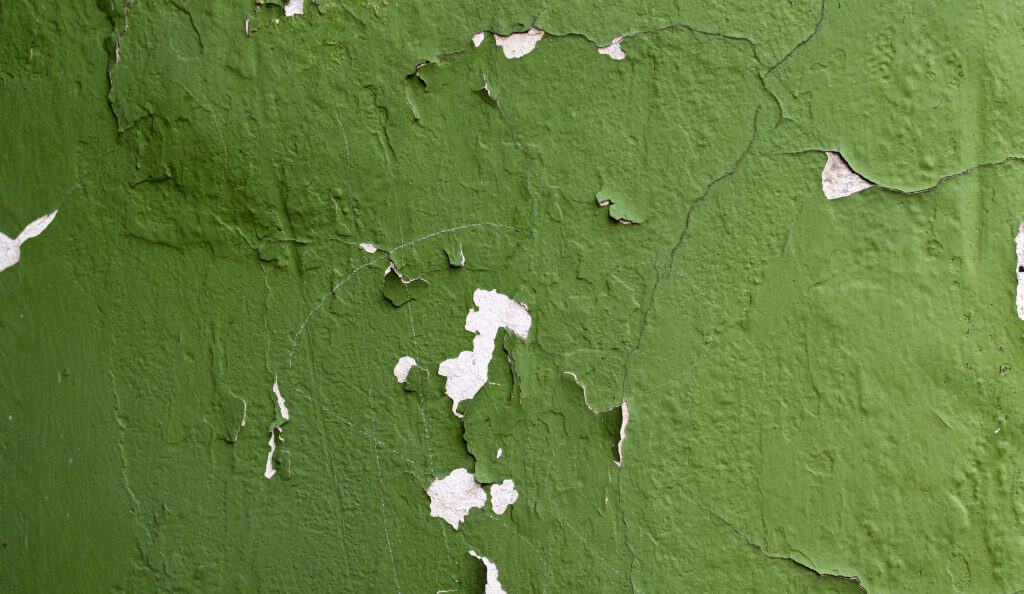
How to Prevent Exterior Paint from Peeling and Blistering in Clifton
Exterior paint on a Clifton property is exposed to some of the most demanding coastal conditions in Cape Town. Salt-laden air, strong ultraviolet radiation, reflected ocean glare, wind-driven winter rain and rapid wet-and-dry cycles all place stress on exterior coatings. Sea-facing walls, balconies, parapets, roof terraces, metal balustrades and exterior timber can therefore deteriorate faster than equivalent surfaces in sheltered inland suburbs.
However, coastal paint failure is not inevitable. Most premature peeling and blistering can be traced to identifiable causes such as residual salt contamination, moisture behind the coating, chalking paint, unstable previous layers, incorrect primers, insufficient surface preparation or painting in unsuitable weather.
Direct answer: The most effective way to prevent exterior paint from peeling in Clifton is to identify and repair water-entry defects, wash away salt and chalking thoroughly, remove all loose coatings, repair unsound plaster, allow surfaces to dry, use a primer suited to each substrate and apply the coating during appropriate weather conditions.
The quality of the topcoat matters, but preparation determines whether that coating is attached to a sound, clean and sufficiently dry surface. Applying premium exterior paint over salt, damp, powdery old coatings or loose plaster simply places a new finish over an existing failure.
Protective Coatings Cape Town follows a preparation-first approach to suitable coastal painting projects. Visit our Painters Clifton page for location-specific services or our Atlantic Seaboard Painters hub for the wider coastal service area.
Why Exterior Paint Fails Faster in Clifton
Clifton differs from sheltered Cape Town suburbs because several aggressive exposure conditions affect the same building simultaneously. The problem is not only proximity to the ocean. It is the combined effect of salt deposition, direct sunlight, reflected heat, wind pressure, driving rain and complex coastal architecture.
Salt-Laden Coastal Air
Fine salt particles settle continuously on walls, parapets, balustrades, gates, garage doors, window frames and timber. These deposits may be difficult to see once dry, but they can interfere with primer and paint adhesion. Salt can also retain moisture at the coating interface and accelerate corrosion on exposed metalwork.
Strong Ultraviolet Exposure
Ultraviolet radiation gradually breaks down the binder that holds a paint film together. The surface becomes faded, brittle or powdery. Clifton properties can experience particularly severe exposure on north-facing and sea-facing elevations, while ocean glare and reflected heat from glazing, pale paving and light-coloured walls can intensify surface heating.
Wind-Driven Winter Rain
Rain on the Atlantic Seaboard is frequently driven sideways by strong wind. Water is forced into hairline cracks, window surrounds, parapet junctions, balcony edges, balustrade fixings and gaps between different building materials. Defects that remain relatively dry in calmer conditions can admit substantial moisture during an exposed coastal storm.
Rapid Wet-and-Dry Cycling
Exterior surfaces may become saturated during winter rain and then dry rapidly when exposed to sun and wind. Repeated expansion, contraction and moisture movement stress the coating film and any weak substrate beneath it.
Complex and Difficult-to-Reach Architecture
Clifton homes frequently include multiple levels, steep sites, cantilevered balconies, roof terraces, parapets, retaining walls, narrow access routes and high sea-facing elevations. Difficult access can result in defects being inspected or maintained less frequently, allowing small cracks and coating failures to become more extensive.
What Causes Exterior Paint to Peel or Blister?
Exterior paint normally fails because its bond with the substrate has weakened or because pressure develops behind the coating. More than one cause may be present on the same wall.
| Visible defect | Likely causes | What should be checked |
|---|---|---|
| Paint peeling in sheets | Poor adhesion, salt contamination, chalking, glossy surfaces or failed previous coatings | Condition of the exposed surface, previous paint layers and primer bond |
| Raised bubbles or blisters | Moisture pressure, painting over damp surfaces, water entry or trapped solvent | Parapets, balcony edges, roof terraces, cracks and moisture levels |
| Small brittle flakes | Ageing coatings, ultraviolet degradation, micro-cracking or partial adhesion failure | Remaining coating flexibility and adhesion |
| Powder on the wall | Chalking caused by ultraviolet and weather degradation | Rub test, washing requirements and stabilising-primer suitability |
| Failure below a parapet | Cracked capping, failed waterproofing, poor drainage or open junctions | Top and rear surfaces, joints, outlets and waterproofing details |
| Rust stains beneath paint | Corroding fixings, rails, brackets, steel frames or reinforcement | Metal type, corrosion depth, salts and primer compatibility |
| Failure near ground level | Retaining-wall moisture, poor drainage, irrigation or rising damp | Soil-facing side, drainage, irrigation and wall construction |
Peeling, Blistering, Flaking and Chalking Are Not the Same
These terms are often used interchangeably, but they describe different stages or types of coating failure.
Peeling Paint
Peeling occurs when the coating separates in strips, sheets or larger sections. It often indicates that the paint never bonded correctly to the substrate or that an older layer beneath the visible coating has failed.
Blistering Paint
Blistering creates raised bubbles beneath the coating. These bubbles are frequently associated with moisture or vapour pressure, although painting very hot surfaces or trapping solvents can also contribute.
Flaking Paint
Flaking occurs when small, brittle fragments break away. It may develop after prolonged ultraviolet degradation, cracking and progressive loss of adhesion.
Chalking Paint
Chalking is the powdery residue that forms as weather exposure breaks down the paint binder. A simple hand rub may leave a visible powder on the fingers. New paint applied over severe chalking bonds to the powder rather than the stable wall.
Salt Contamination: A Major Cause of Coastal Paint Failure
A Clifton wall can appear clean while still carrying invisible or barely visible salt residue. This is one reason coastal repainting requires more than a quick rinse before application.
If primer is applied over residual salt, the coating system may have reduced adhesion from the beginning. Salt contamination is particularly important on:
- Sea-facing walls
- Balcony soffits and edges
- Parapets and roof terraces
- Exterior steel and aluminium
- Garage doors and gates
- Balustrades and fixing points
- Pool surrounds and entertainment terraces
- Areas regularly exposed to sea spray or strong onshore wind
Thorough washing and rinsing are therefore critical. The objective is not merely to make the wall look clean but to remove dirt, pollution, loose chalk and soluble surface contamination. A pressure washer can assist, but pressure washing alone does not prove that salt has been removed. Incorrect pressure can also damage soft plaster, force water into cracks or leave surfaces excessively wet.
After washing, surfaces need adequate drying time before repairs, primers or topcoats are applied.
Why Paint Peels Below Parapets and Balcony Edges
Parapets and balcony edges are common failure points because they combine horizontal and vertical surfaces, joints, waterproofing details, cappings, outlets and material transitions.
Water may enter through:
- Hairline cracks in parapet tops
- Failed or missing cappings
- Open movement joints
- Cracked balcony screeds
- Defective waterproofing membranes
- Poor falls that allow water to pond
- Blocked drainage outlets
- Balustrade or railing penetrations
- Junctions between walls and roof terraces
Once water enters, it can travel through plaster or concrete and emerge away from the original defect. The visible peeling below a balcony may therefore be the final symptom rather than the actual entry point.
Applying exterior paint to the wall face without repairing the upper water-entry detail normally results in recurring failure. Suitable projects may require investigation through our Damp Proofing Cape Town service before repainting begins.
Retaining Walls Need Different Expectations
Many Clifton properties are constructed on steep sites and include retaining walls exposed to soil moisture from behind. These walls can remain under continuous moisture pressure, particularly where drainage is inadequate or irrigation keeps the surrounding soil wet.
Painting the accessible face does not stop water entering from the soil-facing side. Moisture can migrate through the wall, carry salts toward the painted surface and cause efflorescence, blistering or peeling.
A lasting response may require drainage improvements, repairs to accessible waterproofing, crack repairs, removal of hollow plaster and a suitable coating specification. Where the water-facing side cannot be accessed, performance limitations must be explained honestly.
Chalking and Failed Older Coatings
Older coatings exposed to Clifton’s sun and wind frequently become chalky before severe peeling becomes visible. Repainting over this powder creates a weak interface between the old and new coating.
Preparation may include repeated washing, brushing, scraping, sanding and the use of a suitable stabilising primer where specified. The correct method depends on the severity of chalking and the strength of the remaining coating.
Old coating layers should also be checked for adhesion. A new topcoat cannot strengthen an unstable historic layer underneath it. Where several coats detach together, removal must continue until a firm layer or stable substrate is reached.
How Painters Assess Whether a Surface Is Ready
No single test diagnoses every paint problem, but several practical checks can help determine what preparation is required.
- Visual inspection: Identifies cracks, stains, rust, blisters, hollow plaster and water pathways.
- Rub test: Shows whether an existing coating is chalking or powdery.
- Adhesion testing: Helps determine whether older coating layers are sufficiently bonded.
- Scraping: Reveals how far loose or delaminated coatings extend.
- Moisture assessment: Helps determine whether suspicious walls or repaired sections are sufficiently dry.
- Sounding plaster: Can indicate hollow or delaminated areas that need removal.
- Inspection after rain: May help identify water-entry patterns that are not visible in dry weather.
These findings should guide the preparation specification. They should not be replaced by a generic instruction to “scrape and paint”.
Preparing Exterior Plaster and Concrete
Plaster and concrete are not automatically ready for paint because they appear solid. Coastal preparation should address contamination, adhesion, cracks, porosity, curing and moisture.
A suitable sequence may include:
- Inspecting the entire elevation, including parapets and adjacent horizontal surfaces.
- Washing thoroughly to remove salt, dirt, loose chalk and biological growth.
- Scraping and sanding loose coatings back to firm edges.
- Opening and repairing cracks with materials suited to their width and movement.
- Removing hollow, soft or delaminated plaster.
- Repairing damaged plaster or concrete and allowing it to cure.
- Confirming that washed and repaired surfaces are sufficiently dry.
- Applying a masonry, bonding, stabilising or other appropriate primer according to the substrate.
- Applying the specified exterior coating to the required coverage and film build.
Fresh plaster and cementitious repairs must not be painted before they have cured and dried sufficiently. Premature coating can trap moisture or expose the coating to alkalinity and poor adhesion.
Preparing Rusted Metalwork Near the Ocean
Coastal corrosion can affect balustrades, gates, rails, steel window frames, brackets, fixings, garage doors and concealed metal components. Rust expands as corrosion progresses and can push coatings away from the surface.
Preparation normally requires:
- Removal of loose rust and failed coatings
- Cleaning of salt, grease and dust
- Assessment of whether the metal remains structurally sound
- Rust treatment where appropriate to the specification
- A compatible anti-corrosive primer
- A topcoat suited to the specific metal and marine exposure
Mild steel, galvanised steel and aluminium do not all use the same preparation or primer. Applying one generic metal primer to every surface can cause adhesion problems.
Corroding screws, brackets and balustrade penetrations should also be addressed. Small neglected components can create rust staining or allow water into adjacent plaster even where the larger painted surface looks acceptable.
Preparing Exterior Timber in Clifton
Exterior timber expands and contracts as moisture and temperature change. Sea-facing doors, screens, pergolas, gates, fascias and trims are also exposed to salt and intense ultraviolet radiation.
Before coating, timber should be inspected for:
- Rot or soft areas
- Open joints
- Exposed end grain
- Cracked or peeling coatings
- Failed sealants
- Loose fixings
- Water collecting on horizontal surfaces
Sound timber may require sanding, joint repairs, sealing of vulnerable edges and a coating system suited to the timber and exposure. Rotten or structurally weakened timber should be repaired or replaced rather than hidden beneath paint.
Exterior timber near the ocean normally requires more frequent inspection and maintenance than protected masonry.
Can Exterior Paint Stop Active Damp?
No wall coating should be presented as a substitute for repairing active moisture entry. Certain coatings may form part of a properly designed waterproofing or damp-management system, but the cause of water entry still needs to be understood.
Painting over active damp can trap moisture, create blistering and move the visible failure to a nearby area. Water-entry defects may involve parapets, balconies, roof terraces, cracks, retaining walls, windows, plumbing or drainage.
Why Roof Painting Does Not Fix Active Leaks
Roof paint protects a roof surface that is already sound, correctly repaired and watertight. It does not replace defective flashings, cracked roof sheets, failed membranes, damaged tiles, leaking junctions or structural repairs.
Painting an actively leaking roof may temporarily cover visible defects while water continues entering beneath the coating. Roof defects should be repaired before a compatible roof-coating system is applied.
Read more about the correct scope of coating work on our Roof Painters Cape Town page.
Weather and Application Timing in Clifton
Even correctly prepared surfaces can fail when paint is applied under unsuitable conditions.
Painting a Wet or Damp Surface
Residual moisture interferes with adhesion and can become trapped behind the new coating. Recently washed walls, fresh plaster and damp-affected surfaces need sufficient drying time.
Painting a Very Hot Wall
Paint applied to an excessively hot surface may dry too quickly, reducing flow, film formation and adhesion. The air temperature can be moderate while a dark or sun-facing wall is substantially hotter.
Painting in Strong Wind
Strong wind can blow salt, sand and dust onto wet coatings. It can also affect spray control, accelerate surface drying and create unsafe conditions on scaffolding, ladders or difficult elevations.
Painting Shortly Before Rain
Rain can mark, wash or weaken a coating that has not developed sufficient early resistance. Rain may also drive water into cracks and recently repaired areas.
Step-by-Step Process to Prevent Exterior Paint Peeling
- Inspect the complete building envelope. Include walls, balconies, roof terraces, parapets, window surrounds, retaining walls, metalwork and timber.
- Identify the actual failure mechanism. Determine whether peeling is caused by salt, damp, chalking, failed historic coatings, corrosion, timber movement or a combination.
- Repair water-entry defects. Address cracks, cappings, joints, balcony waterproofing, drainage outlets and roof details before repainting.
- Plan safe access. Clifton’s steep and multi-level properties may require scaffolding or other access systems that allow complete preparation rather than rushed spot repairs.
- Wash and rinse thoroughly. Remove salt, dirt, mould, pollution and loose chalk rather than painting over contamination.
- Remove failed coatings. Scrape or sand back to a firmly adhered edge or sound substrate.
- Repair the substrate. Remove hollow plaster, repair cracks and correct damaged concrete, timber or metal.
- Allow sufficient drying and curing. Do not trap moisture beneath primers or topcoats.
- Use substrate-specific primers. Masonry, chalking paint, metal, galvanised surfaces, aluminium and timber have different requirements.
- Select an exposure-appropriate coating. The system must suit coastal ultraviolet, salt and weather exposure.
- Apply under suitable conditions. Avoid wet, excessively hot, windy or rain-threatened application windows.
- Check coverage and film build. Thin or missed areas reduce protection, particularly on edges and detailed surfaces.
- Inspect the completed work. Check adhesion, coverage, repaired defects, joints and water-shedding details.
- Record maintenance priorities. Note which surfaces need earlier inspection, such as parapets, timber, steel and sea-facing elevations.
Common Coastal Painting Mistakes
- Painting over salt because the wall looks clean
- Applying new paint over powdery chalking
- Leaving unstable historic paint beneath the new system
- Painting active damp instead of repairing the source
- Using waterproof paint as a substitute for waterproofing repairs
- Painting parapet faces without inspecting parapet tops
- Pressure washing without allowing sufficient drying time
- Using excessive pressure that damages plaster or drives water into cracks
- Painting over rust without proper removal and priming
- Using the same primer on plaster, steel, galvanised metal and timber
- Painting rotten timber
- Applying paint to very hot walls
- Painting during strong coastal wind
- Painting shortly before rain
- Selecting a system based only on the price of the topcoat
- Accepting a quotation that does not describe preparation clearly
How Long Should Exterior Paint Last in Clifton?
Where active damp, cracks, failed plaster, salt contamination and unstable old coatings are properly addressed, a suitable exterior wall coating can reasonably maintain its integrity for approximately eight to ten years. Actual performance depends on substrate condition, exposure, film build, product suitability and maintenance.
The entire Clifton property should not be expected to age at the same rate. Highly exposed surfaces may require inspection or maintenance earlier than sheltered walls.
| Property element | Recommended maintenance approach |
|---|---|
| Sea-facing walls | Inspect annually for chalking, cracking, salt deposits and local adhesion failure |
| Parapets and balcony edges | Inspect before and after the wet season for cracks, ponding and failed joints |
| Exterior steel | Address local rust promptly before corrosion spreads beneath the coating |
| Exterior timber | Inspect regularly for open joints, coating erosion, rot and exposed end grain |
| Retaining walls | Monitor for salts, damp patches and drainage problems rather than relying only on repainting |
How Protective Coatings Cape Town Approaches Clifton Projects
Protective Coatings Cape Town is not a lead-generation company. Clients deal directly with the contractor responsible for assessing, specifying and completing suitable projects.
Our preparation-first approach includes:
- A diagnostic inspection of visible coating and substrate failure
- A written diagnostic report provided with the quotation
- A clear written scope of preparation and coating work
- Full-time employed painters rather than casual subcontracted teams
- A working foreman on site to supervise preparation and quality
- Public Liability Insurance through OUTsurance
- Supplier or manufacturer-backed specifications where applicable
- Honest identification of limitations and warranty exclusions
- Recognition that paint does not fix active damp
- Recognition that roof painting does not repair active leaks
Our related services include Exterior Painters Cape Town, Residential Painting, Commercial Painting and Body Corporate and Estate Painting.
You can view all available services on the Cape Town Painting Services page.
Exterior Painters Serving Clifton and Nearby Areas
Protective Coatings Cape Town assists with suitable painting projects in Clifton and surrounding Atlantic Seaboard suburbs, subject to project scope, access and scheduling.
View the complete Cape Peninsula Painting Service Areas directory for more information.
Request a Clifton Exterior Painting Assessment
Call Protective Coatings Cape Town on 061 235 6768 or use our Contact Us page to request an inspection and written quotation for a suitable Clifton exterior painting project.
Frequently Asked Questions About Exterior Paint Peeling in Clifton
Why does exterior paint peel in Clifton?
Exterior paint commonly peels in Clifton because salt contamination, strong ultraviolet exposure, wind-driven rain, damp, chalking paint or unstable previous coatings prevent the new coating from bonding correctly.
How does salt air affect exterior paint?
Salt settles on walls, metalwork, timber and other exterior surfaces. Residual salt can interfere with adhesion, retain moisture at the surface and accelerate corrosion on exposed metals.
Can I paint over salt deposits?
No. Salt-contaminated surfaces should be thoroughly washed and rinsed before priming. A wall can appear visually clean while still carrying salt residue that affects adhesion.
Is pressure washing enough preparation?
Not always. Pressure washing can remove dirt and loose material, but it may not remove all salt or chalking. Excessive pressure can also damage plaster or force water into cracks. Washing, rinsing, inspection, scraping and sufficient drying may all be required.
What causes exterior paint to blister?
Exterior paint often blisters when moisture or vapour pressure develops behind the coating. Painting damp surfaces, water entry through cracks and parapets, or applying paint to an excessively hot surface can contribute.
Why does paint peel below parapets?
Water can enter through cracked parapet tops, failed cappings, open joints or defective waterproofing. The moisture then travels through the wall and causes paint to peel or blister below the original entry point.
Why does paint peel around balconies?
Balcony edges contain joints, screeds, waterproofing, balustrade fixings and drainage details. Cracks, ponding water or failed waterproofing can allow moisture behind the coating.
Can wind-driven rain cause paint failure?
Yes. Strong coastal wind pushes rain into small cracks, window surrounds and material junctions that may remain dry during calm rainfall.
Should chalking paint be removed before repainting?
Severe chalking should be washed away or stabilised according to the coating specification. Painting directly over powdery chalk creates a weak bond.
How can I test whether exterior paint is chalking?
Rub the dry surface with a clean hand or dark cloth. A powdery residue can indicate chalking, although a contractor should assess the severity and determine the correct preparation.
Does waterproof paint stop active damp?
No. A coating may form part of a suitable waterproofing system, but it does not replace repairs to active cracks, failed membranes, parapets, balconies, plumbing or drainage.
Can roof painting stop an active leak?
No. Roof painting protects a roof that is already repaired and watertight. Active leaks and defective roof details must be corrected before coating.
How should rusted metalwork be prepared near the sea?
Loose rust and failed coatings should be removed, salts and contamination cleaned away, and a primer compatible with the specific metal and coastal exposure applied before the topcoat.
Can the same primer be used on steel and aluminium?
Not necessarily. Mild steel, galvanised steel and aluminium have different surface and primer requirements. The coating specification should match the actual metal.
How should exterior timber be prepared in Clifton?
Timber should be inspected for rot, open joints and failed coatings. Sound timber may require sanding, joint repairs, end-grain sealing and a coating system suited to coastal ultraviolet and moisture exposure.
Can painters work during strong coastal wind?
Strong wind can affect safety, spray control, drying and contamination of wet paint. Exposed elevations may need to be scheduled for more suitable weather.
Can exterior paint be applied shortly before rain?
Paint should have enough time to develop the required early resistance before rainfall. Applying shortly before rain can cause marking, washing, poor curing or moisture-related failure.
How long should exterior paint last in Clifton?
Correctly prepared and specified exterior wall coatings can reasonably maintain integrity for approximately eight to ten years. Highly exposed walls, parapets, timber, metalwork and retaining walls may need earlier maintenance.
How often should sea-facing walls be inspected?
An annual visual inspection is sensible for sea-facing elevations, with additional checks after severe winter weather. Parapets, balcony edges, cracks, timber and metalwork deserve particular attention.
How do I request a Clifton painting quotation?
Call Protective Coatings Cape Town on 061 235 6768 or use the Contact Us page to request an inspection and written quotation.