
How Do I Know When My House Needs Repainting?
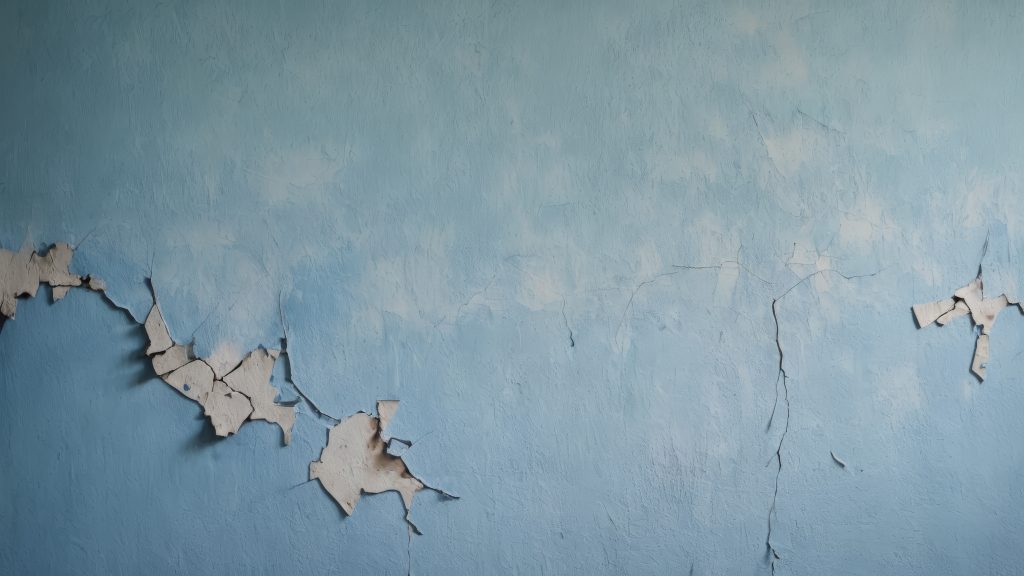
Most homeowners do not think about repainting until the deterioration becomes difficult to ignore. The colour may look noticeably faded, powder may rub off the wall, cracks may become more visible or sections of paint may begin peeling away.
By that stage, the coating may already have been losing protection for some time. In Camps Bay, the change from early coating wear to visible failure can happen faster than it does in sheltered inland suburbs because walls, timber and metalwork are continually exposed to ultraviolet radiation, salt-laden air, ocean glare, coastal wind and wind-driven winter rain.
There is no single repainting interval that applies to every house. Paint durability depends on the quality of previous preparation, the coating system used, substrate condition, elevation, access, exposure and maintenance completed between repainting projects.
Direct answer: Your house may need repainting when exterior paint begins chalking, fading, cracking, peeling or blistering; when plaster becomes exposed; when sealants fail; when timber coatings erode; or when rust develops on metalwork. Interior signs include stains, scuffing, peeling bathroom paint, mould, cracks, loss of washability and patchy previous touch-ups.
These signs do not always mean that every wall must be repainted immediately. They do mean the property should be inspected so that maintenance can begin before coating failure causes more expensive damage to plaster, timber, steel or waterproofing details.
Protective Coatings Cape Town follows a preparation-first approach to suitable coastal painting projects. Visit our Painters Camps Bay page for location-specific information or our Atlantic Seaboard Painters hub for the wider coastal service area.
Why Camps Bay Homes Need Closer Paint Maintenance
Camps Bay homes are often exposed to several aggressive conditions at the same time:
- Salt-laden Atlantic air
- Strong ultraviolet exposure
- Ocean glare and reflected heat
- Wind-driven Cape winter rain
- Rapid wet-and-dry cycles
- Hot sea-facing and sun-facing walls
- Balconies, parapets and roof terraces
- Steep sites and retaining walls
- Pool surrounds and entertainment terraces
- Exposed timber, steel and aluminium
- Difficult access on multi-level villas
A single Camps Bay property can contain sheltered mountain-facing walls, intensely exposed sea-facing elevations, permanently shaded walls below vegetation and high parapets receiving direct sun and wind. These areas will not necessarily age at the same rate.
This is why repainting should be planned according to the condition of each elevation and substrate rather than the age of the last paint job alone.
The Main Signs That a House Needs Repainting
| Visible sign | What it may mean | Recommended response |
|---|---|---|
| Chalking | Ultraviolet and weather exposure are breaking down the paint binder | Wash, assess adhesion and stabilise or prime where required before repainting |
| Fading | Pigment degradation or broader coating deterioration | Assess whether fading is cosmetic or accompanied by chalking and erosion |
| Peeling | Loss of adhesion caused by contamination, damp, salts, chalking or failed old paint | Identify the failure layer and remove loose coatings to a sound edge |
| Blistering | Moisture, vapour pressure, painting over damp surfaces or coating incompatibility | Investigate moisture and water-entry sources before repainting |
| Cracking | Coating ageing, plaster movement, failed repairs or structural movement | Determine crack type and repair appropriately before coating |
| Exposed plaster | Protective paint film has been lost completely | Repair and prime promptly before moisture and erosion worsen the substrate |
| Rust | Coastal corrosion has broken through the metal coating | Remove and treat corrosion before it spreads beneath surrounding paint |
| Timber greying or flaking | Coating erosion and moisture exposure | Recoat before open joints, splitting or rot become extensive |
| Water staining | Roof, plumbing, parapet, balcony, retaining-wall or condensation problem | Repair the moisture source before painting |
How Often Should a House Be Repainted?
There is no universal answer. A fixed rule such as repainting every five, seven or ten years ignores the condition and exposure of the actual property.
Where existing defects have been resolved, preparation has been completed correctly and a suitable coating system has been applied, wall paintwork can reasonably maintain its integrity for approximately eight to ten years. Actual performance depends on:
- Surface preparation
- Coating quality and compatibility
- Film thickness and coverage
- Wall orientation
- Salt and ultraviolet exposure
- Moisture conditions
- Substrate condition
- Previous coating layers
- Ongoing washing and maintenance
Highly exposed sea-facing walls, parapets, balcony edges, roof terraces, exterior timber and metalwork may require maintenance earlier than protected masonry walls.
Waiting for the entire house to fail simultaneously is normally more expensive than identifying and maintaining high-risk areas earlier.
Exterior and Interior Paint Do Not Age at the Same Rate
Exterior coatings face direct weather, ultraviolet radiation, salt deposition and temperature changes. Interior paint is protected from those conditions, but it still deteriorates through cleaning, scuffing, moisture, stains and daily use.
Exterior Repainting Is Usually Driven By
- Chalking and fading
- Cracking and open joints
- Peeling or blistering
- Salt contamination
- Damp and water entry
- Loss of substrate protection
- Timber and metal deterioration
Interior Repainting Is Usually Driven By
- Scuffing and marks
- Stains that no longer clean away
- Patchy touch-ups
- Loss of washability
- Peeling in bathrooms or kitchens
- Mould and condensation
- Ceiling stains
- Cracks and settlement
- Colour or décor changes
- Rental or holiday-accommodation turnover
Chalking: One of the Earliest Warning Signs
Chalking is the fine powder that develops when sunlight and weather gradually break down a paint film’s binder.
A simple hand-rub test can help identify it:
- Choose a dry section of exterior wall.
- Rub the surface firmly with a clean hand or dark cloth.
- Check whether a powdery residue transfers from the wall.
Some mild residue may occur on older coatings, but heavy chalking indicates substantial surface degradation.
New paint should not be applied directly over severe chalking. The coating would bond to the loose powder rather than the stable wall beneath it. Preparation may require thorough washing, brushing, repeated rinsing and a suitable stabilising primer depending on the remaining coating condition.
Does Faded Paint Always Need Repainting?
Not necessarily. Fading can be cosmetic when the coating remains firmly bonded, washable and protective.
Repainting becomes more urgent when fading appears together with:
- Heavy chalking
- Surface roughness
- Loss of film thickness
- Uneven erosion
- Cracking
- Peeling
- Bare or exposed substrate
Dark and highly saturated colours often show visible fading sooner than lighter colours on sun-exposed elevations. Ocean glare and strong afternoon sun can intensify this difference in Camps Bay.
Peeling, Flaking and Blistering Need Diagnosis
These defects should not all be treated as one problem.
Peeling
Peeling normally involves larger strips or sheets lifting from the wall. It may indicate contamination, poor preparation, incorrect primer or failure of an older coating layer.
Flaking
Flaking produces smaller brittle pieces. It is often associated with ageing, cracking and ultraviolet-degraded coatings.
Blistering
Blistering creates raised bubbles beneath the coating. Moisture pressure, trapped damp, salt contamination or painting in unsuitable conditions may be involved.
Painting over these defects hides the evidence without resolving the cause. Loose paint must be removed, the substrate assessed and moisture or adhesion problems addressed first.
For a deeper technical explanation, see our article on how to prevent exterior paint from peeling.
Cracks and Failed Sealants Are Early Maintenance Warnings
Small cracks and failing sealants may appear less urgent than peeling paint, but they can allow water into the building envelope.
Common high-risk areas include:
- Window and door surrounds
- Parapet tops
- Balcony edges
- Roof-to-wall junctions
- Changes between plaster, concrete, metal and timber
- Balustrade and railing penetrations
- Expansion and movement joints
Hairline plaster cracks may be non-structural, but they still need suitable preparation. Wider or recurring movement cracks may need specialist assessment rather than repeated filling and painting.
Sealants that become hard, cracked, detached or brittle should be replaced with a suitable system before repainting.
Damp and Water Staining Must Be Resolved First
Damp patches, brown stains, white salts and recurring bubbling indicate that moisture may be moving through or behind the coating.
The source may involve:
- Roof leaks
- Cracked parapets
- Balcony or terrace waterproofing
- Blocked gutters and downpipes
- Plumbing leaks
- Retaining-wall moisture
- Garden irrigation
- Condensation
Painting does not fix active damp. The moisture source must be diagnosed and repaired or managed, and the affected surface must be allowed to dry before repainting.
Visit our Damp Proofing Cape Town page for more information on damp-related preparation.
Check the Plaster and Masonry, Not Only the Paint
A paint inspection should include the surface beneath the coating.
Signs that plaster or masonry needs repair include:
- Hollow-sounding plaster
- Soft or crumbling areas
- White salt deposits
- Exposed masonry or plaster
- Surface erosion
- Cracks extending through the plaster
- Repeated failure around old repair patches
Hollow plaster should not be hidden beneath filler and paint. It normally needs to be removed back to a sound edge and repaired before the new coating system is applied.
When Exterior Timber Needs Recoating
Exterior timber often needs maintenance sooner than masonry because it expands and contracts with changes in moisture and temperature.
Inspect doors, fascias, pergolas, screens, gates, trims and window components for:
- Fading or greying
- Coating erosion
- Cracking or flaking
- Open joints
- Exposed end grain
- Loose sealants
- Soft or spongy timber
- Early rot
Recoating should ideally take place before bare timber and open joints remain exposed to repeated wetting. Once rot develops, repainting alone is no longer sufficient.
When Exterior Metalwork Needs Repainting
Steel balustrades, gates, brackets, window frames and fixings are particularly vulnerable to coastal corrosion.
Early warning signs include:
- Small rust spots
- Rust staining below joints or fixings
- Blistering around corroded areas
- Flaking metal paint
- Rough or pitted steel
- Corrosion around welds and edges
Early rust treatment is normally easier than repairing corrosion that has spread beneath a large area of coating.
Aluminium and galvanised surfaces can also experience coating breakdown, especially around edges, fasteners and damaged factory finishes. Their preparation and primer requirements differ from mild steel.
Roofs, Parapets and Roof Terraces
Flat roofs, roof terraces and parapets are common on Camps Bay properties and are highly exposed to sun, wind and rain.
A sound roof coating may require maintenance when it shows:
- Chalking
- Fading
- Local cracking
- Loss of film thickness
- Poor adhesion
- Open joints
- Visible substrate
Roof painting does not fix active leaks. Broken tiles, failed membranes, flashings, valleys, cracks and structural defects must be repaired before the roof-coating system is applied.
Read more on our Roof Painters Cape Town page.
Interior Signs That Repainting Is Needed
Living Rooms
Living rooms commonly show marks around furniture, switches, doorways and high-use areas. Patchy touch-ups and outdated colours can also make an otherwise sound room feel tired.
Bedrooms
Bedrooms often last longer between repaints, although marks behind beds and furniture, condensation mould and décor changes can make repainting necessary.
Kitchens
Kitchen walls face grease, steam, repeated cleaning and staining. A coating that has lost washability may remain marked even after cleaning.
Bathrooms
Peeling, bubbling, mould and ceiling staining may indicate poor extraction, condensation, plumbing or roof-related moisture. The source must be addressed before repainting.
Passages and Stairways
High-traffic areas are vulnerable to scuffs, hand marks, furniture damage and patchy repairs.
Children’s Rooms
Marks, stickers, impact damage and décor changes may create shorter repainting cycles.
Holiday Rentals and Guest Accommodation
Frequent occupancy, luggage movement, cleaning and varied use can result in faster interior wear. Durable, washable finishes and documented colour schedules simplify maintenance.
Which Parts of a Camps Bay Home Should Be Inspected Most Often?
| Area | Why it needs attention | What to check |
|---|---|---|
| Sea-facing walls | Salt, wind, rain and ocean exposure | Chalking, salt deposits, fading, cracks and adhesion |
| North- and west-facing walls | Strong ultraviolet radiation and heat | Fading, binder breakdown, cracking and erosion |
| Parapet tops | Horizontal exposure and water entry | Cracks, failed coatings, ponding and open joints |
| Balcony edges | Waterproofing, railing penetrations and runoff | Blistering, staining, cracking and failed sealants |
| Exterior timber | Movement, ultraviolet exposure and moisture | Greying, flaking, open joints and rot |
| Steelwork | Coastal corrosion | Rust at edges, welds, brackets and fixings |
| Retaining walls | Moisture and salts from soil | Efflorescence, bubbling, damp and drainage |
| Pool surrounds | Water, chlorine, cleaning and sun | Coating wear, adhesion, corrosion and slippery failures |
A Homeowner’s Coastal Paint Inspection Checklist
A structured inspection once or twice a year can identify maintenance before widespread failure develops.
- Walk around every elevation and compare exposed walls with sheltered walls.
- Perform a chalking hand-rub test on dry exterior paint.
- Look for fading, peeling, flaking and blistering.
- Inspect wall cracks and old repair patches.
- Check window, door and material-junction sealants.
- Inspect parapet tops, balcony edges and roof junctions.
- Check gutters and downpipes for blockages or leakage.
- Look for staining below rooflines and parapets.
- Check plaster for hollow, soft or salt-affected areas.
- Inspect timber joints, end grain and horizontal surfaces.
- Check steelwork, brackets and fasteners for early rust.
- Inspect retaining walls for salts, bubbling and damp.
- Check pool surrounds and frequently washed areas.
- Inspect interior ceilings for water stains.
- Check bathroom and kitchen paint for mould or peeling.
- Photograph defects and record the inspection date.
Photographs make it easier to determine whether cracks, rust, stains or coating failure are spreading over time.
Can You Repaint Only One Elevation?
Yes, phased repainting may be practical when one elevation is clearly deteriorating faster than the rest of the property.
For example, a sea-facing wall may need washing, repairs and repainting while protected walls remain sound.
Partial repainting works best when:
- The existing colour can be matched
- The coating system remains compatible
- The other elevations are genuinely sound
- Junctions between old and new work can be handled neatly
- A future maintenance plan is documented
A full repaint may be preferable when colours have faded unevenly, several elevations are approaching failure, old coating systems are inconsistent or the owner plans a complete colour or product change.
When Maintenance Can Delay a Full Repaint
Early maintenance can extend the life of an existing coating system.
Useful interventions include:
- Washing salt and contamination from exposed walls
- Repairing isolated cracks
- Replacing failed sealants
- Treating early rust
- Recoating exterior timber before bare wood is exposed
- Repairing local adhesion failure
- Maintaining parapets and balcony details
- Clearing gutters and downpipes
Maintenance is most effective while the surrounding coating remains firmly adhered and the substrate is still sound. Once widespread peeling, hollow plaster or corrosion develops, a larger repair and repainting project is normally required.
When Repainting Should Not Begin
Repainting should be postponed when:
- An active roof or plumbing leak remains
- Walls are wet or damp
- Parapet or balcony waterproofing has failed
- Plaster is hollow or unstable
- Timber is rotten
- Metalwork is structurally weakened
- Safe access has not been arranged
- Strong coastal wind creates unsafe or unsuitable conditions
- Rain is expected before the coating can develop resistance
- Wall temperatures are too high for correct application
High-quality paint cannot compensate for active damp, unstable substrates, unsafe access or unsuitable application conditions.
Step-by-Step Repainting Decision Process
- Inspect the whole property. Include walls, parapets, balconies, roof edges, timber, metal and key interior areas.
- Record every defect. Note chalking, fading, cracks, peeling, damp, rust and timber deterioration.
- Identify the cause. Distinguish normal ageing from moisture, contamination, corrosion or poor adhesion.
- Check damp and leaks. Investigate roof, plumbing, waterproofing, drainage and condensation.
- Test existing coatings. Assess chalking and adhesion rather than assuming old paint is sound.
- Assess the substrate. Check plaster, masonry, timber and metal beneath the finish.
- Plan safe access. Camps Bay villas may require scaffolding or other suitable access arrangements.
- Define the preparation. Specify washing, salt removal, scraping, repairs, rust treatment, sanding and priming.
- Select the coating system. Match products to substrate and coastal exposure.
- Choose a suitable weather window. Consider rain, wind, humidity and surface temperature.
- Inspect the completed work. Check repairs, coverage, adhesion and finish.
- Document future maintenance. Record products, colours and high-risk areas for later inspection.
Common Coastal Repainting Mistakes
- Waiting until bare plaster is widely exposed
- Painting directly over chalking
- Ignoring salt contamination
- Painting over active damp
- Painting over efflorescence
- Painting over rust
- Painting rotten timber
- Ignoring failed sealants
- Treating roof paint as a leak repair
- Using one primer on every substrate
- Painting wet or excessively hot walls
- Painting during unsuitable coastal wind
- Selecting products by price alone
- Accepting quotations that do not explain preparation
How Protective Coatings Cape Town Approaches Camps Bay Repainting
Protective Coatings Cape Town is not a lead-generation company. Clients deal directly with an established contractor responsible for assessing, specifying and completing suitable painting projects.
Our approach includes:
- A diagnostic assessment of visible coating and substrate failure
- A written diagnostic report with the quotation
- A clear written scope of preparation and painting work
- Full-time employed painters rather than casual subcontracted teams
- A working foreman supervising preparation and quality
- Public Liability Insurance through OUTsurance
- Supplier or manufacturer-backed specifications where applicable
- Honest limitations and warranty exclusions
- Recognition that paint does not repair active damp
- Recognition that roof painting does not repair active leaks
- Coating recommendations matched to substrate and exposure
Related services include Exterior Painters Cape Town, Interior Painters Cape Town, Residential Painting, Commercial Painting and Body Corporate and Estate Painting.
View the complete Cape Town Painting Services directory for additional service information.
Painters Serving Camps Bay and Nearby Atlantic Seaboard Areas
Protective Coatings Cape Town assists with suitable painting projects in Camps Bay and surrounding Atlantic Seaboard suburbs, subject to project scope, access and scheduling.
- Painters Clifton
- Painters Bantry Bay
- Painters Fresnaye
- Painters Sea Point
- Painters Green Point
- Painters Llandudno
View the complete Cape Peninsula Painting Service Areas directory.
Request a Camps Bay Repainting Assessment
Call Protective Coatings Cape Town on 061 235 6768 or use our Contact Us page to request an inspection and written quotation for a suitable Camps Bay repainting or maintenance project.
Frequently Asked Questions About House Repainting
How do I know when my house needs repainting?
Look for chalking, fading, peeling, blistering, cracks, exposed plaster, failed sealants, mould, rust, timber coating breakdown and water staining. Several defects appearing together normally justify a detailed inspection.
How often should an exterior house be repainted?
There is no universal repainting interval. Correctly prepared and specified wall coatings can reasonably maintain integrity for approximately eight to ten years, while highly exposed coastal surfaces may need earlier maintenance.
How often should interior walls be repainted?
Interior repainting depends on traffic, cleaning, stains, moisture, damage, colour changes and room use. Passages, kitchens, bathrooms and rental properties often need attention sooner than low-use bedrooms.
What is chalking paint?
Chalking is the powdery residue created when ultraviolet exposure and weather break down the paint binder.
How do I test for chalking?
Rub a clean hand or dark cloth across a dry exterior wall. A visible powder transfer can indicate chalking.
Can I paint directly over chalking paint?
No. Severe chalking should be washed away or stabilised according to the coating specification. New paint applied over loose powder is likely to have poor adhesion.
Does faded paint always need repainting?
Not always. Fading may be cosmetic if the coating remains firm and protective. Fading combined with chalking, erosion or cracking normally indicates broader coating deterioration.
What causes exterior paint to peel?
Peeling can be caused by poor adhesion, salt contamination, chalking, damp, incorrect primers, unstable old coatings or inadequate preparation.
What causes exterior paint to blister?
Blistering is commonly associated with moisture, vapour pressure, painting over damp surfaces or incompatible coating layers.
Should cracks be repaired before painting?
Yes. Cracks should be assessed and repaired appropriately before painting. Wider or recurring movement cracks may require specialist assessment.
Can I paint over a damp wall?
No. The moisture source should be identified and repaired or managed, and the wall allowed to dry sufficiently before repainting.
Does roof painting fix active leaks?
No. Roof painting protects a roof that is already repaired and watertight. Active leaks and failed roof or waterproofing details must be repaired first.
When should exterior timber be recoated?
Timber should be maintained when coatings become thin, faded, cracked or flaking, or when joints and end grain become exposed. Work should ideally begin before rot develops.
When should rusted metalwork be repainted?
Coastal metalwork should be prepared and recoated when early rust, blistering or coating failure appears, before corrosion spreads beneath larger areas.
Can aluminium surfaces be painted like steel?
Not necessarily. Aluminium, galvanised steel and mild steel have different preparation and primer requirements.
Can I repaint only the sea-facing wall?
Yes, phased repainting may be practical when one wall is significantly more exposed. Colour matching, coating compatibility and the condition of the remaining elevations should be considered.
What parts of a coastal house usually fail first?
Sea-facing walls, sun-exposed elevations, parapets, balcony edges, exterior timber, steel fixings, retaining walls and pool surrounds often need attention first.
Can maintenance painting delay a full repaint?
Yes. Early crack repairs, rust treatment, timber recoating, salt removal and sealant maintenance can extend the life of an otherwise sound paint system.
Should a house be pressure washed before painting?
Exterior washing is normally important, but pressure washing must suit the substrate. Coastal preparation should remove salt, chalk and contamination rather than only visible dirt.
How long should correctly prepared paintwork last?
Suitable wall coatings can reasonably maintain integrity for approximately eight to ten years where defects, preparation and specification are correctly addressed. Exposure and maintenance affect the actual lifespan.
What should a painting quotation include?
A suitable quotation should include a diagnostic assessment, clear preparation scope, coating specification, repairs, access requirements, exclusions and maintenance considerations.
How do I request a Camps Bay painting quotation?
Call Protective Coatings Cape Town on 061 235 6768 or use the Contact Us page to request an inspection and written quotation.